
by Katharina Wurzinger and Florian Edlinger [Gedenkdienst]
What We Learned from Our Co-Creation Workshop Series
Although certain practices used in co-creation are standard in the educational work of the Gedenkdienst association, this series of workshops gave us the opportunity to engage for the first time with the concept in an in-depth way. Over the course of this workshop series, we gained valuable insights into what meaningful collaboration really looks like in practice. Bringing together people from different backgrounds, age groups, and countries challenged us to rethink familiar assumptions about expertise, participation, and learning. Below, we share some of the most important learnings that we gained. This co-creational approach will furthermore, guide the work of CU REMEMBER in the future.

Voluntary Participation and Mutual Benefit
One of our strongest learnings was that genuine co-creation can only happen when participation is truly voluntary. People need to feel that they want to be there—not that they are expected or obliged to contribute. Equally important is mutual benefit. Every participant should gain something from the process, even if the benefits differ. For some, this might be new knowledge; for others, a sense of connection, visibility, or creative expression. This way even the experts can benefit enormously from the co-creation approach. This leads us right into another important insight that we gained.
Rethinking What Expertise Means
The workshops encouraged us to broaden our understanding of expertise. We experienced first-hand that knowledge is not limited to academic degrees or professional titles. Practitioners, students, artists, community members, and young people all bring valuable perspectives shaped by their lived experiences. In this way inviting non-academic contributors can be a real advantage for opening a broader discourse. On the flip side, when experts appear to “know everything,” it can unintentionally discourage participation. Openness and curiosity, by contrast, invite dialogue and shared learning. This understanding of expertise is closely linked to another core value of co-creation.
Diversity as a Core Strength
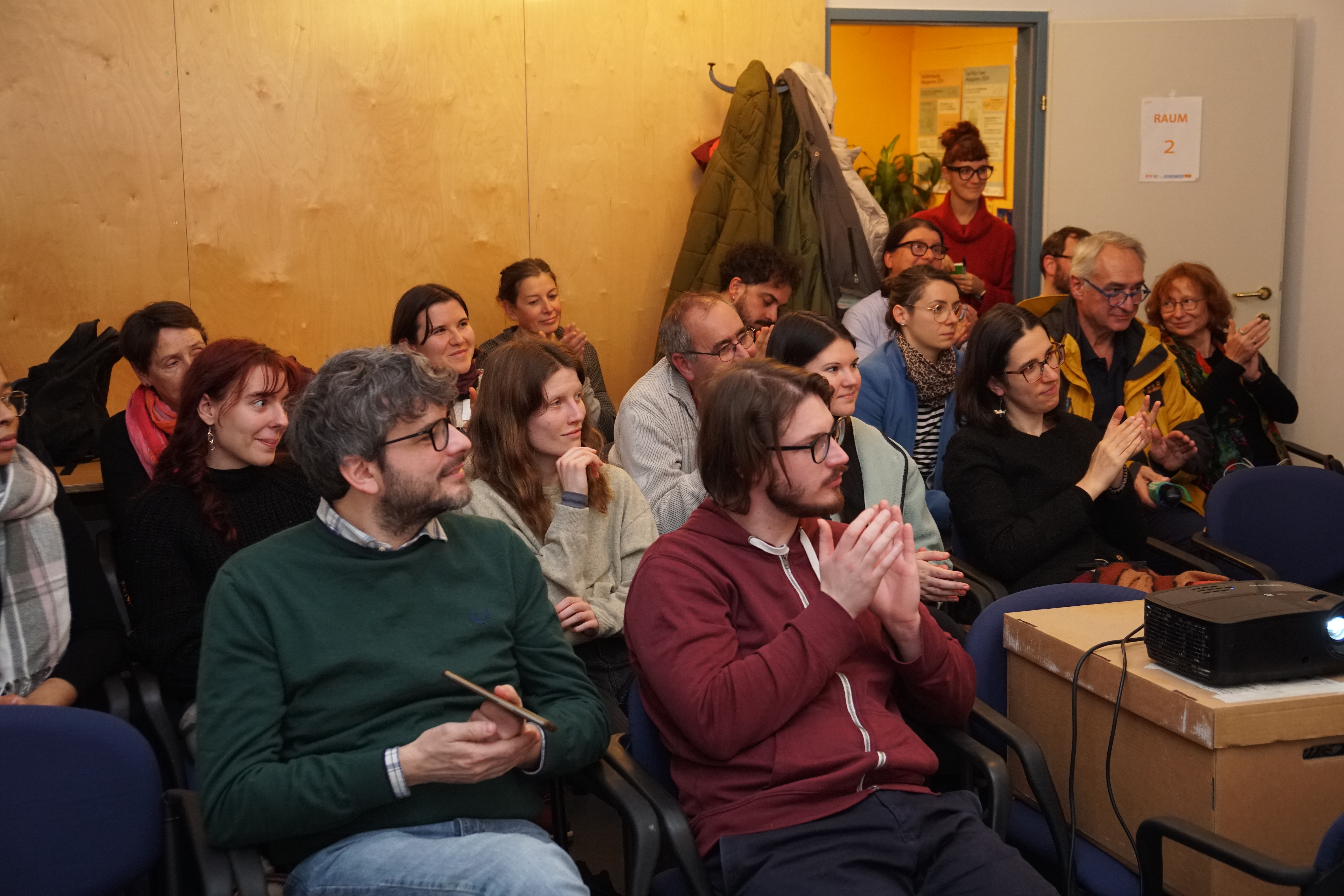
When working with children and adolescents, it is essential to recognize the potential of diversity while remaining sensitive to differences within peer groups. On the one hand Co-creation thrives on diversity. The presence of historians, publicists, artists, pupils, students, and many others enriched the discussions and outcomes of our workshops. At the same time, especially in the context of historical education, it is important to remain sensitive to individual backgrounds. Not all participants have biographical or family connections to Austria during the Second World War, yet they may relate to these histories in other meaningful ways. A local-history-based approach, which focuses on participants’ immediate surroundings, helps create points of connection while reducing the risk of othering.
Age-Appropriate Approaches to Difficult Histories
Another key learning concerned how to address Nazi and fascist histories with different age groups. We found that explicit discussions of perpetrators should be reserved for older adolescents and adults. For younger children (14 and below), co-creation should focus instead on fostering values such as tolerance, empathy, and solidarity. This can be effectively done through the biographies of Holocaust survivors. As emphasized by preschool teacher and Holocaust educator Julia Netter in the WP7 handbook, educational work with this age group should concentrate on the early stages of persecution, such as disenfranchisement, expropriation, and expulsion. Therefore a co-creative approach to Remembrance Education means always respecting emotional and cognitive abilities, especially when it comes to younger participants. Researching family histories or histories of extreme violence requires careful guidance, clear warnings, and responsible educational support.
The surprising power of informal, low-threshold settings
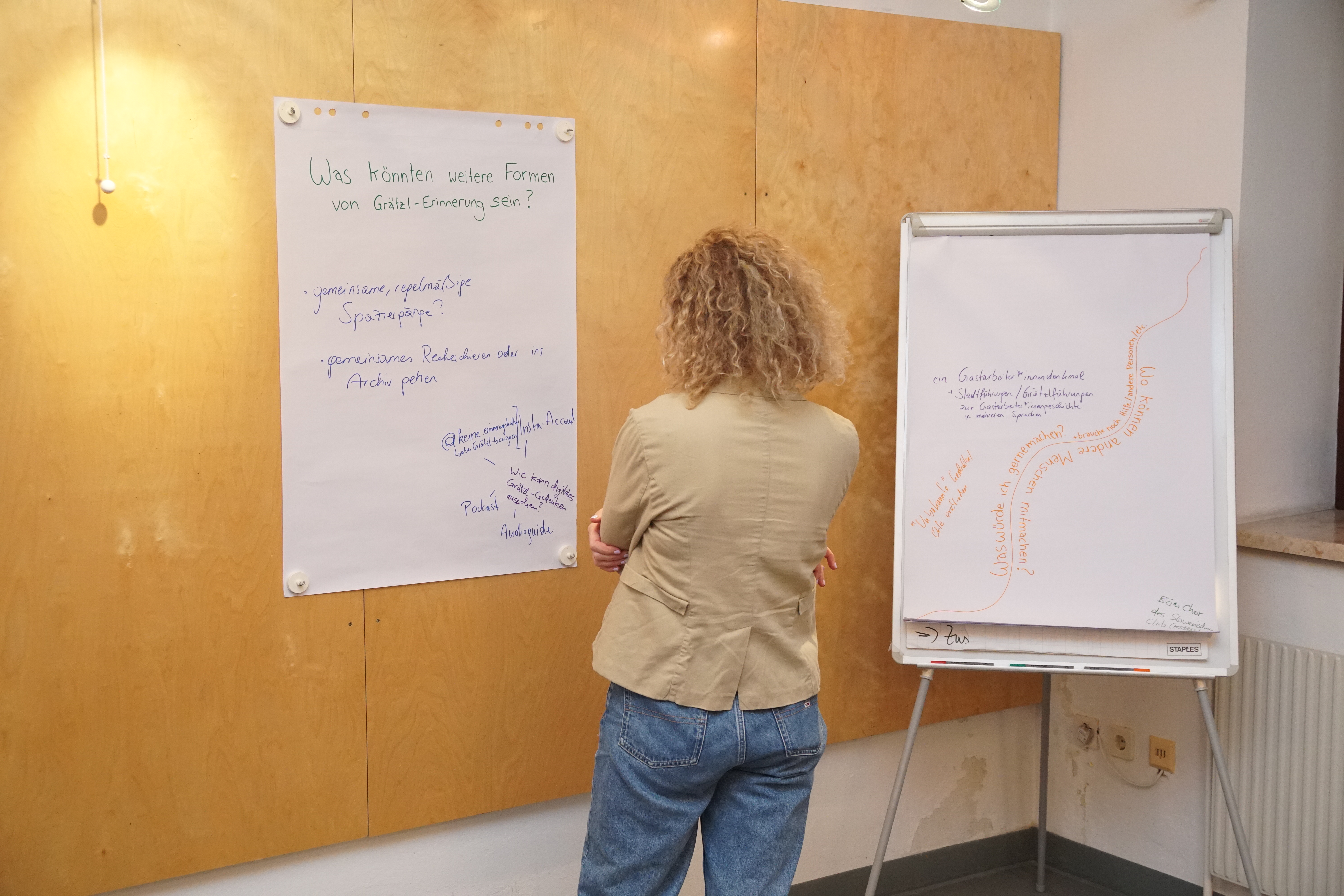
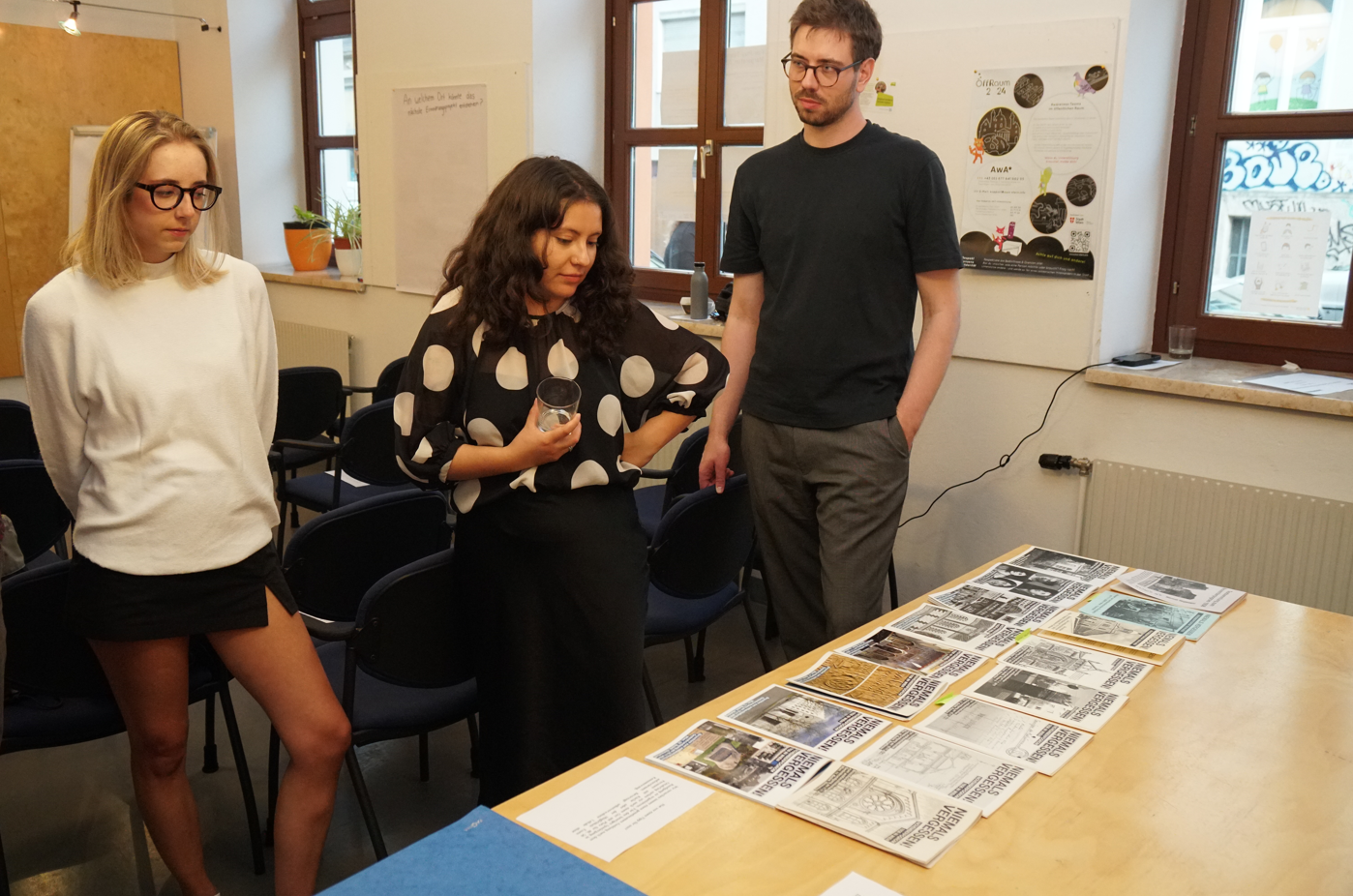
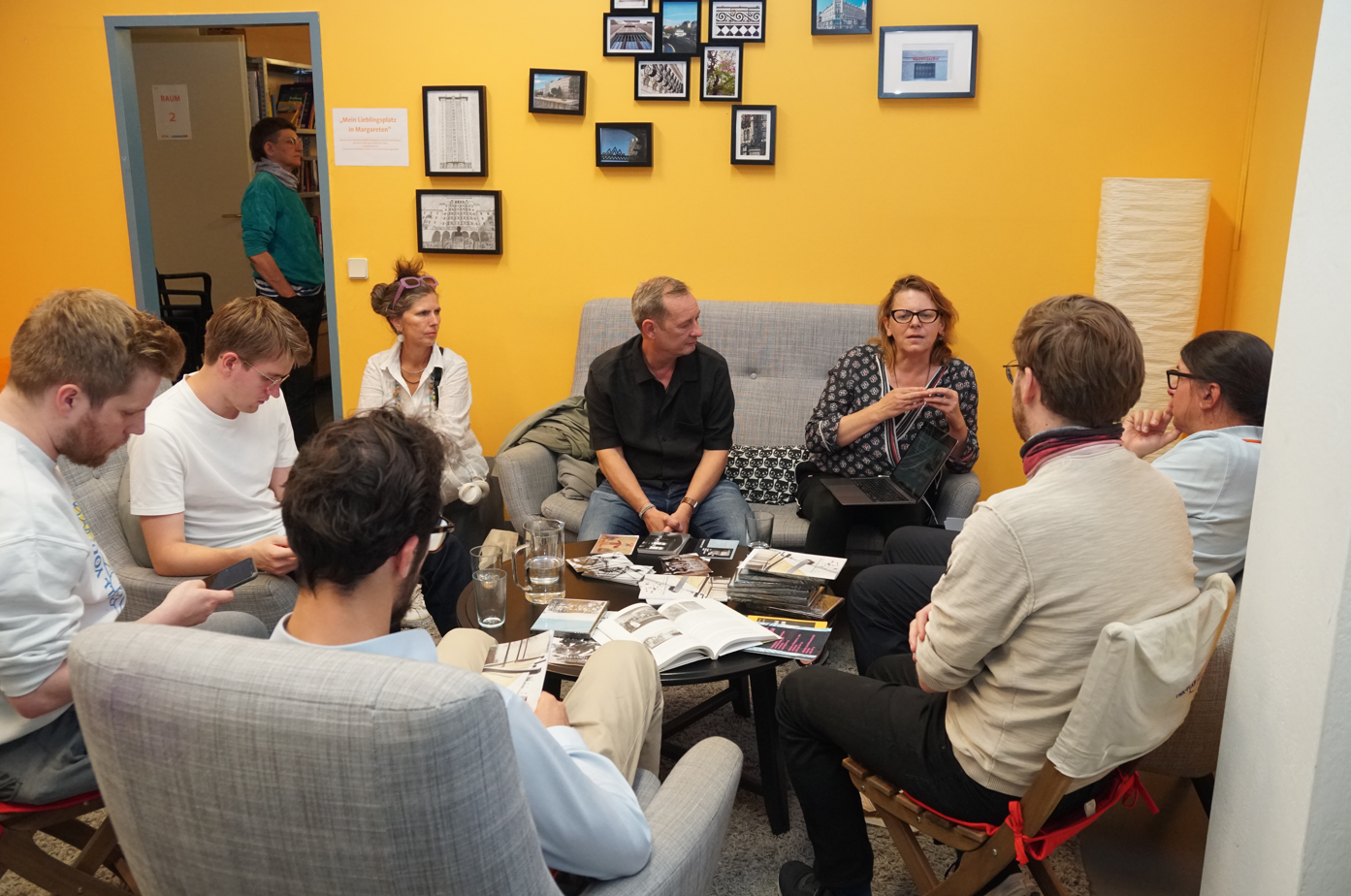
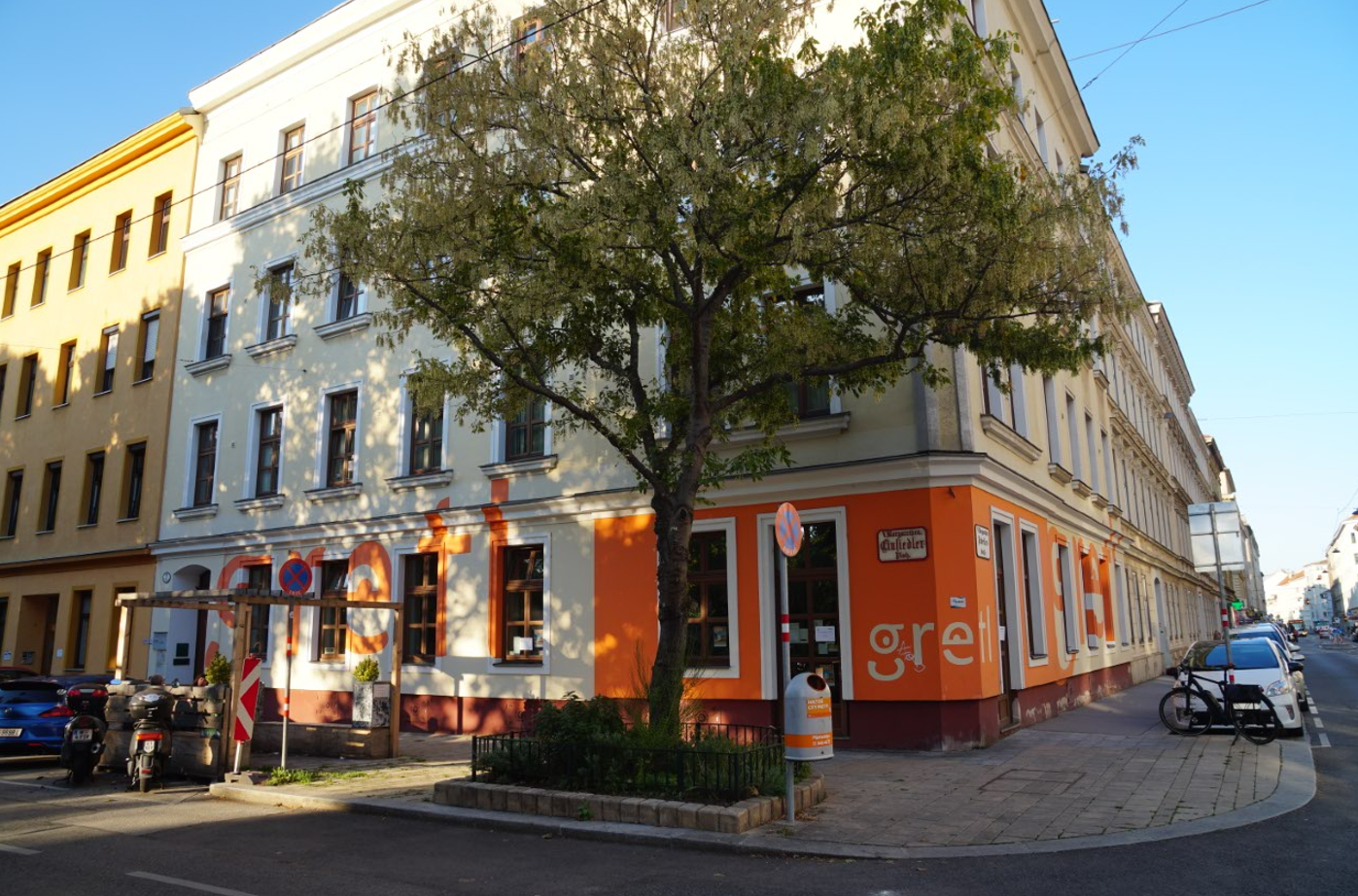
One surprising lesson was that we underestimated the positive impact that the choice of learning location would have on the group dynamic. Hosting all events at the community space Nachbarschaftslokal Gretl created a welcoming, informal atmosphere that felt very different from more formal institutions like universities. Short evening formats also lowered barriers to participation, allowing people with work, care responsibilities, or other daytime commitments to join.
All images by © Cyril Dworsky