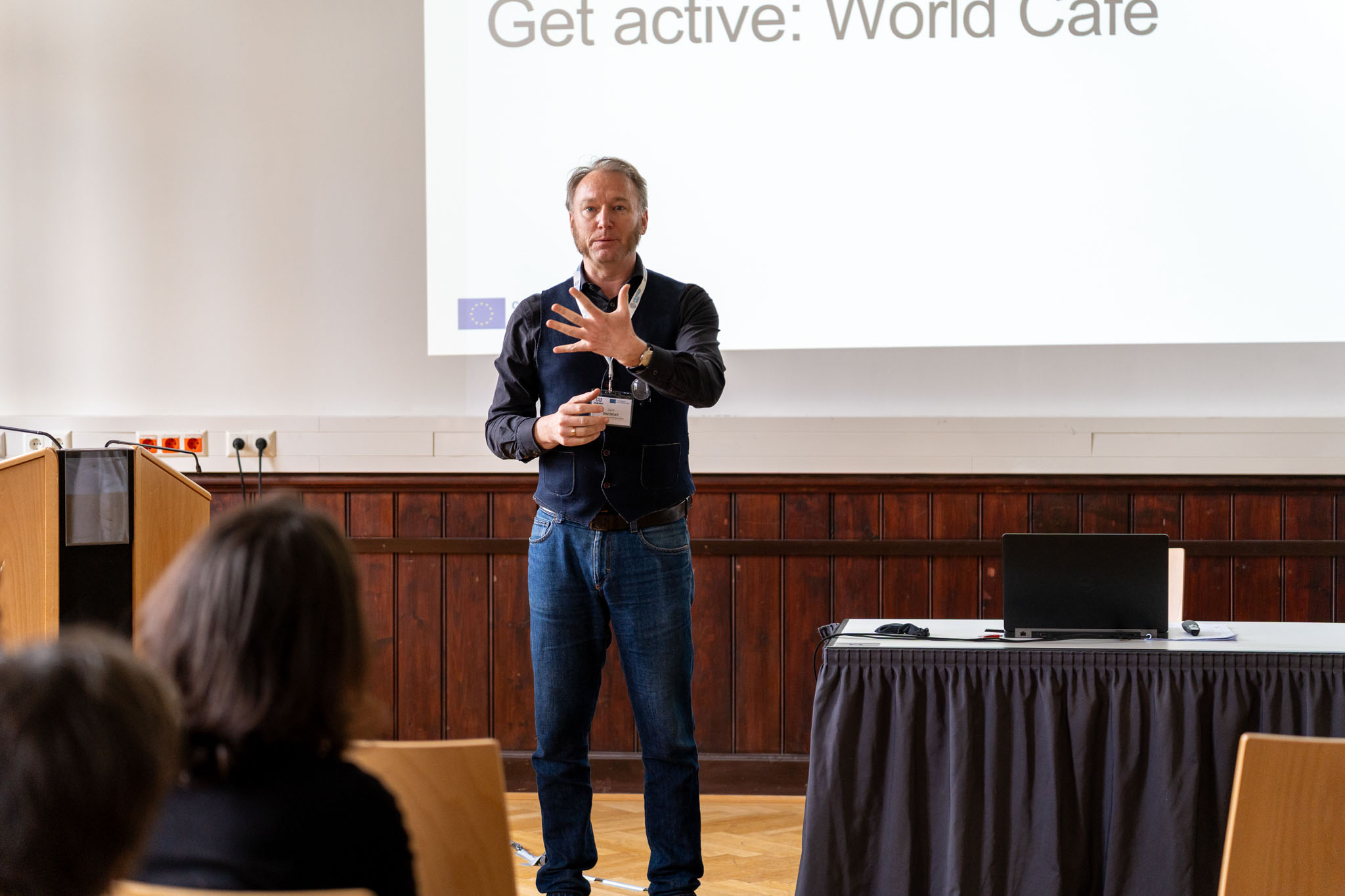
by Cyril Dworsky
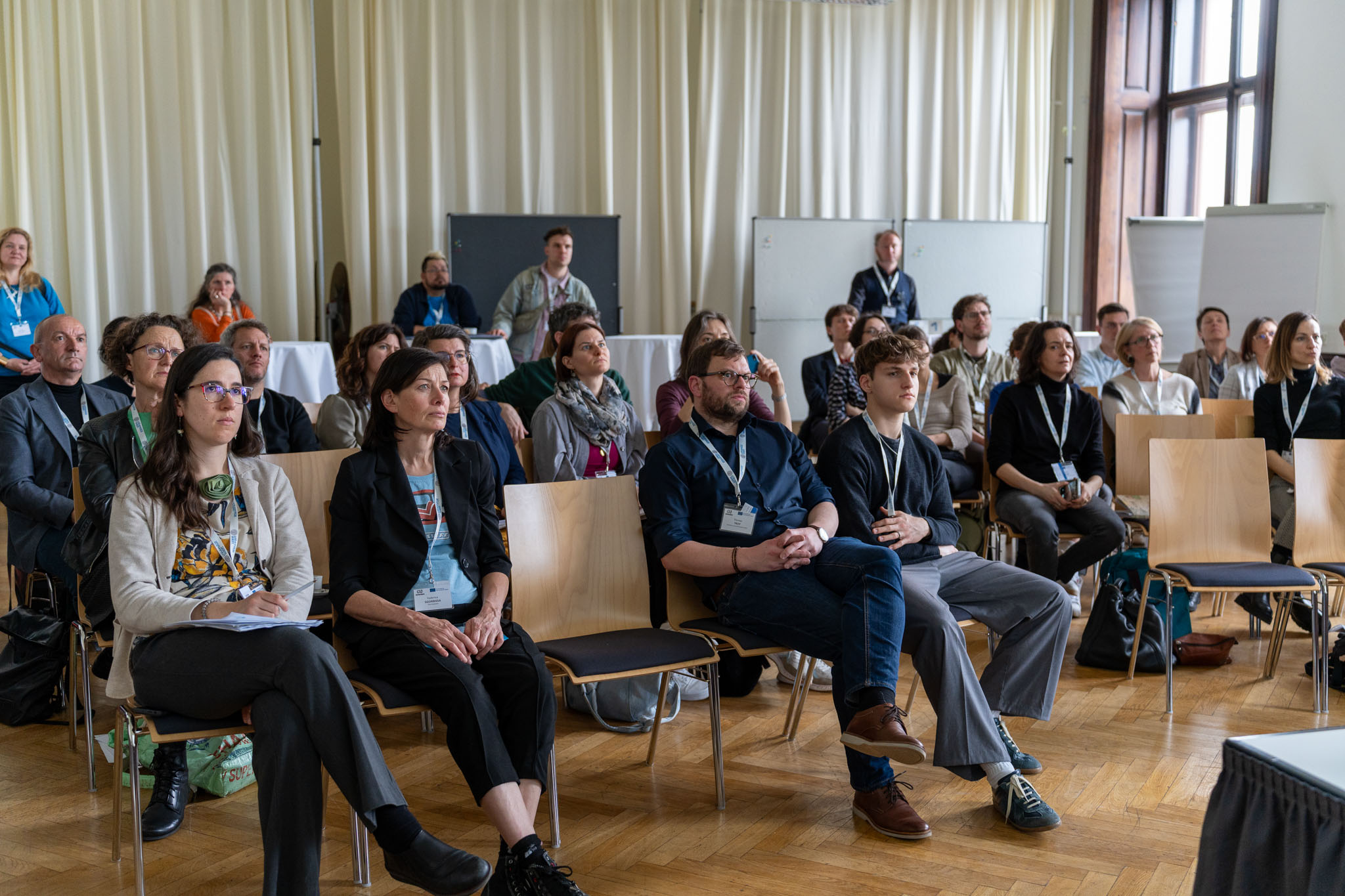
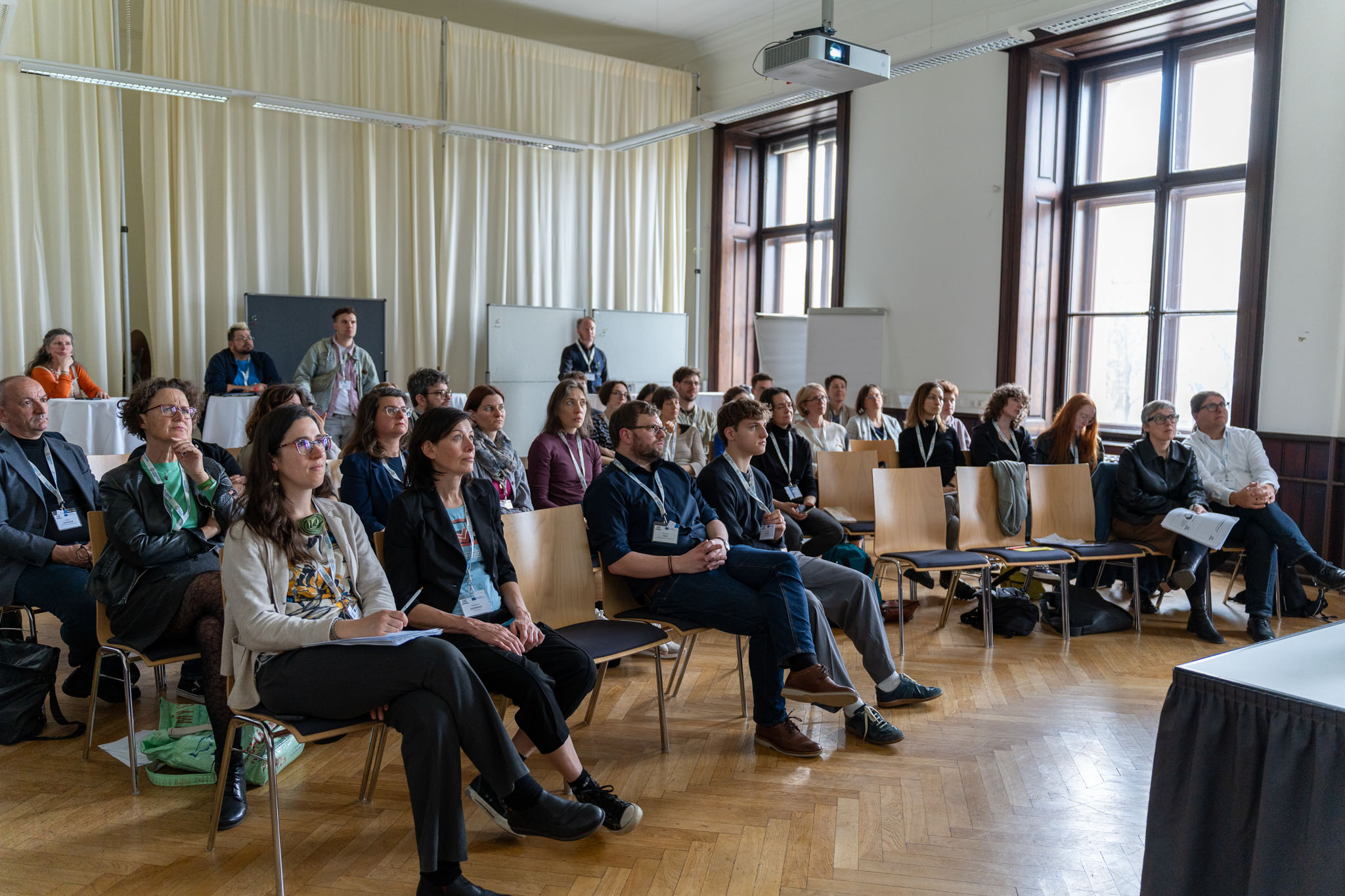
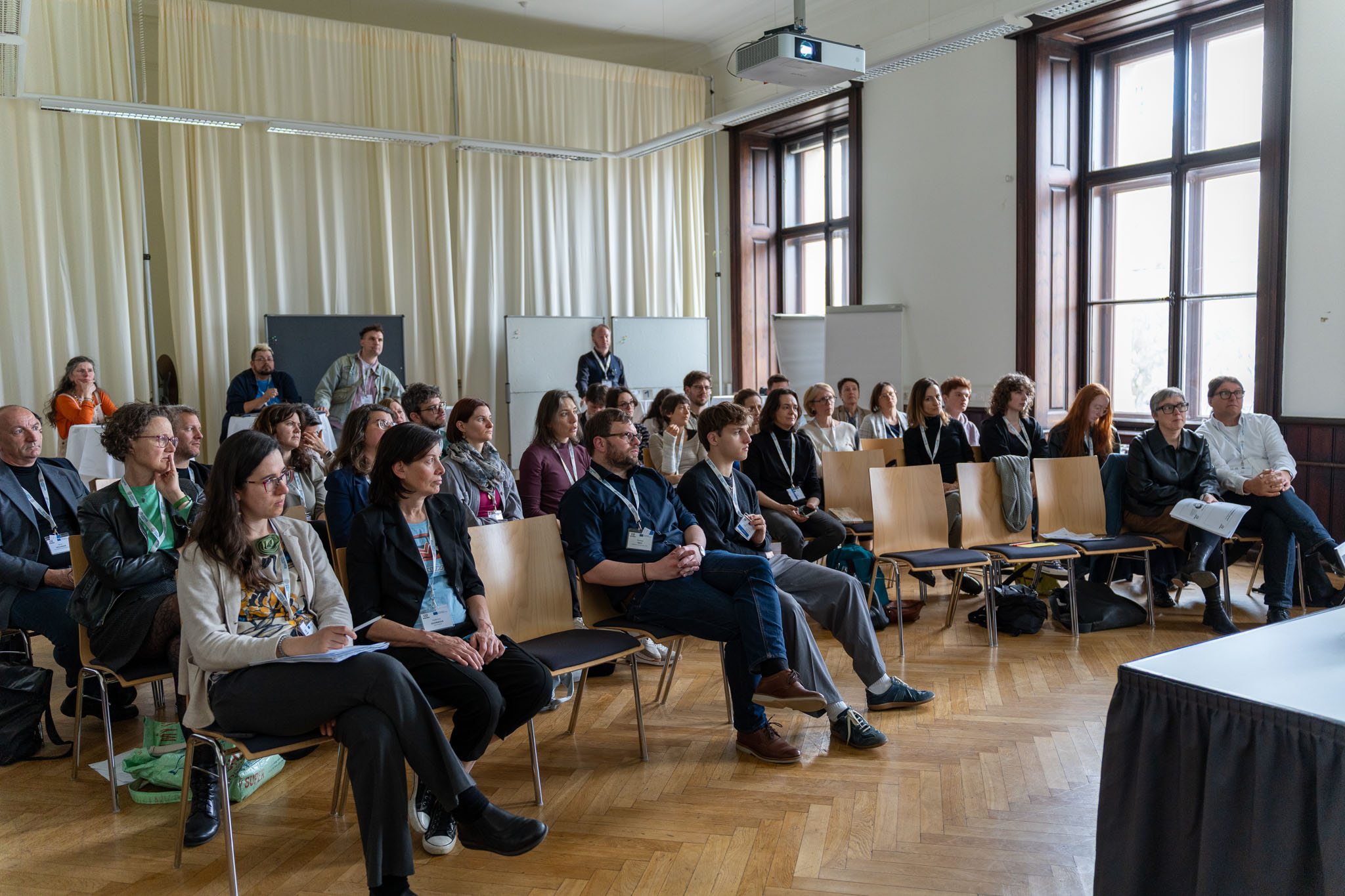
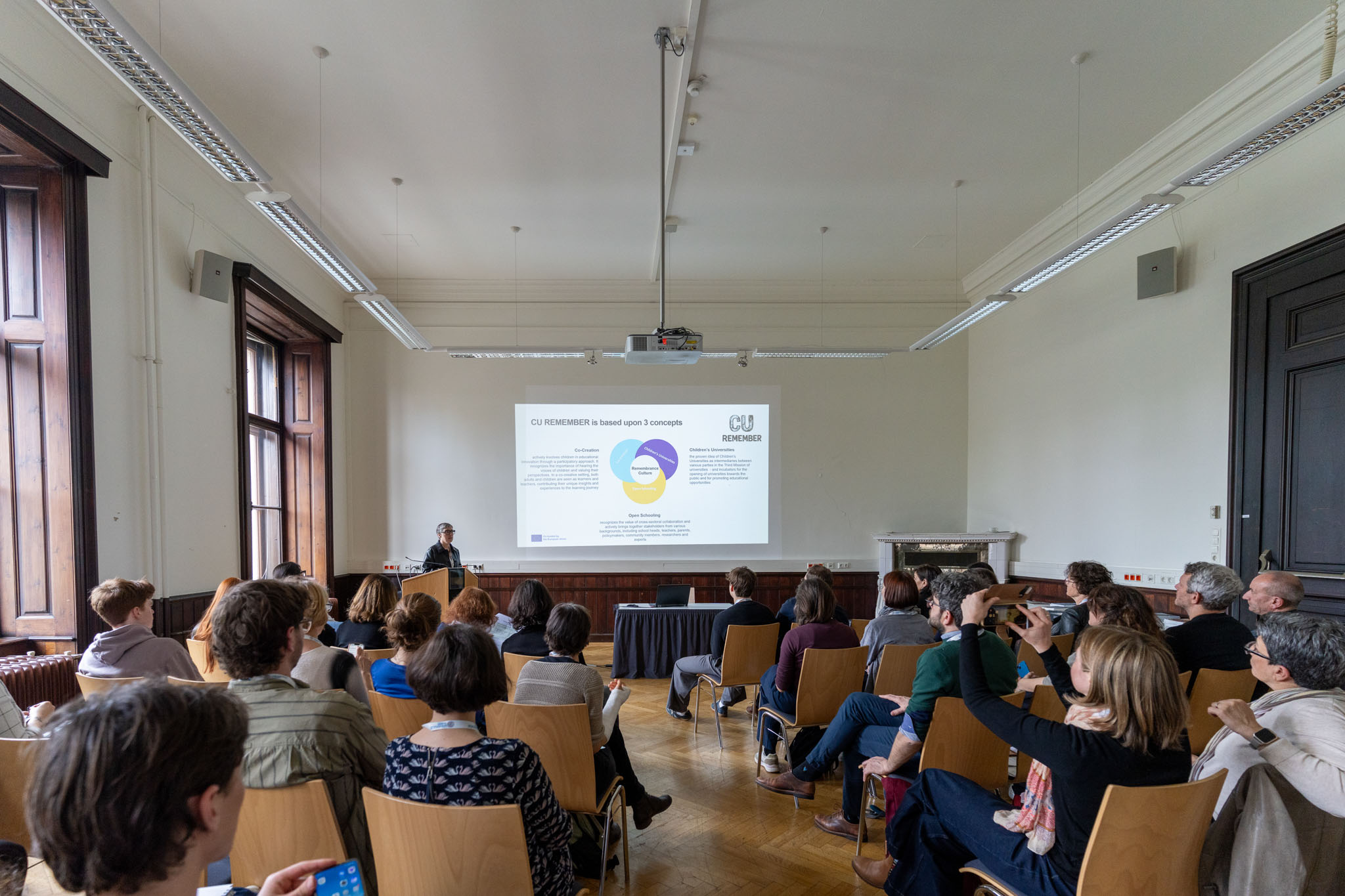
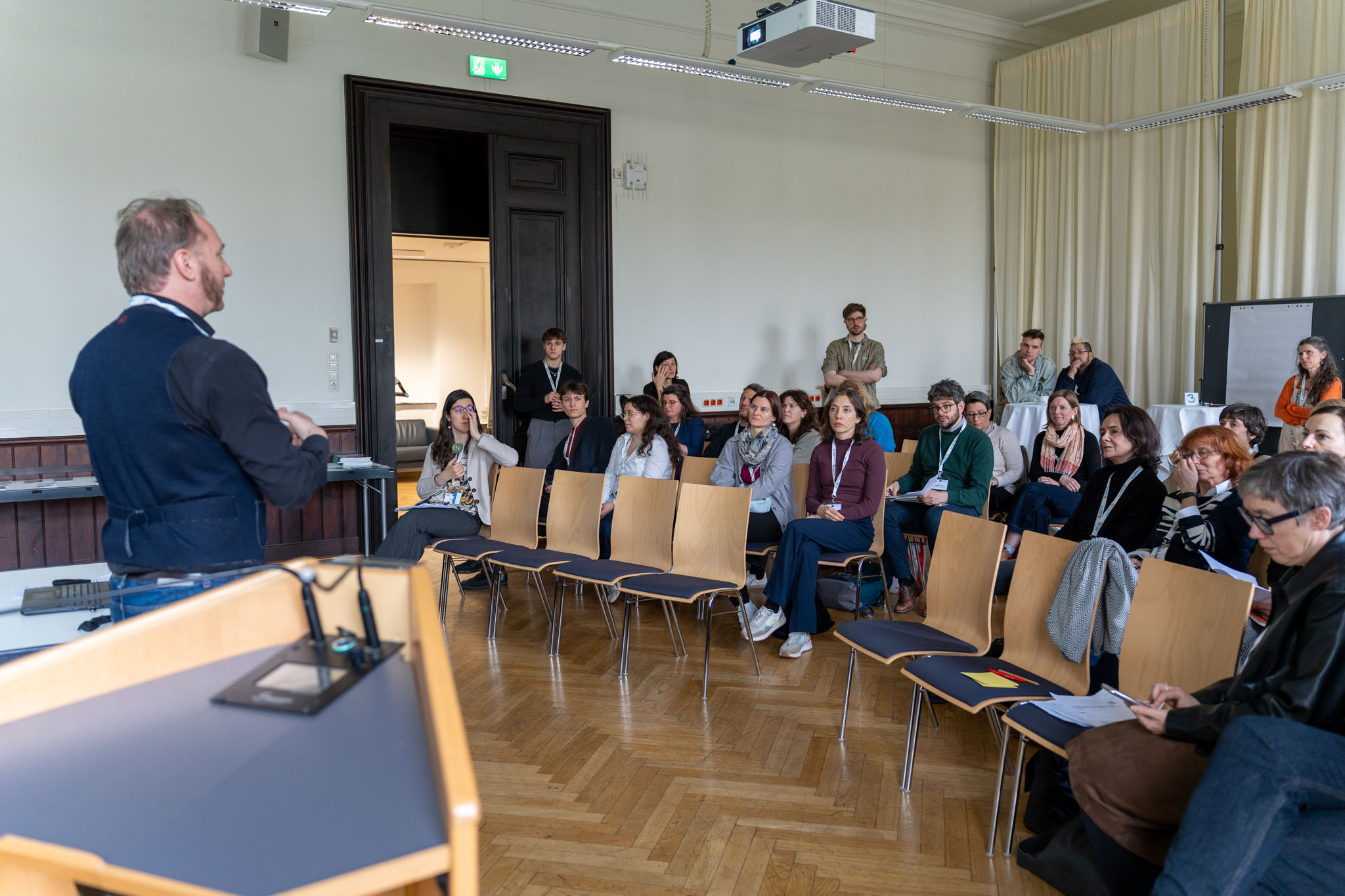
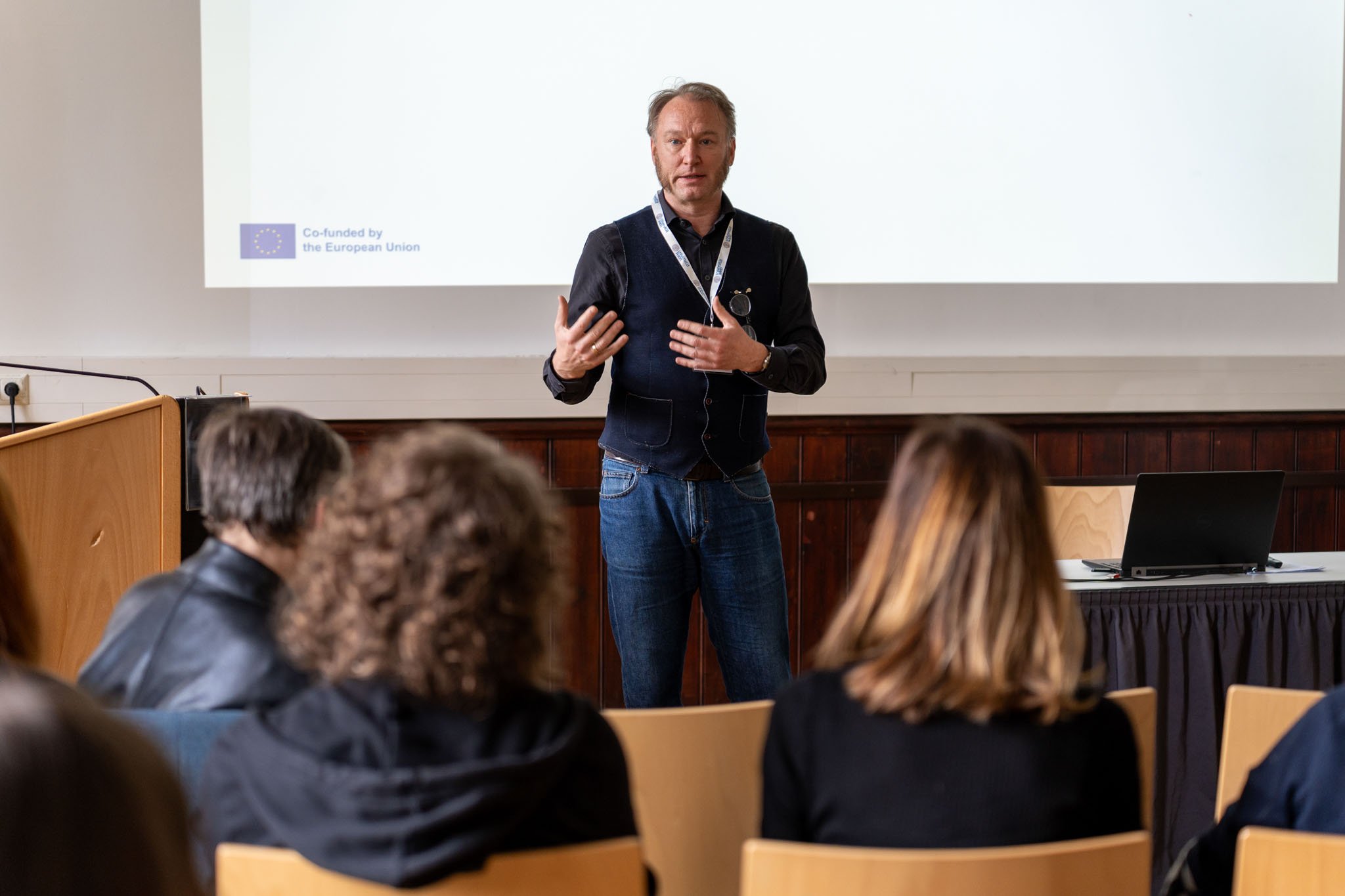
On March 27, 2025, the University of Vienna hosted a pivotal kick-off meeting for the CU REMEMBER project, which is an innovative initiative exploring the intersection of Children’s Universities and remembrance culture and linking the history of Trieste and Vienna. Supported by the Citizens, Equality, Rights and Values Program (CERV) – a big thank you also to Ernst Holzinger from the National Contact Point of the Austrian Federal Chancellery for some insights into the CERV program – the event brought together educators, researchers, practitioners and young people to address a critical challenge of our time: how to keep historical memory alive for younger generations?
A Multifaceted Approach to Remembrance
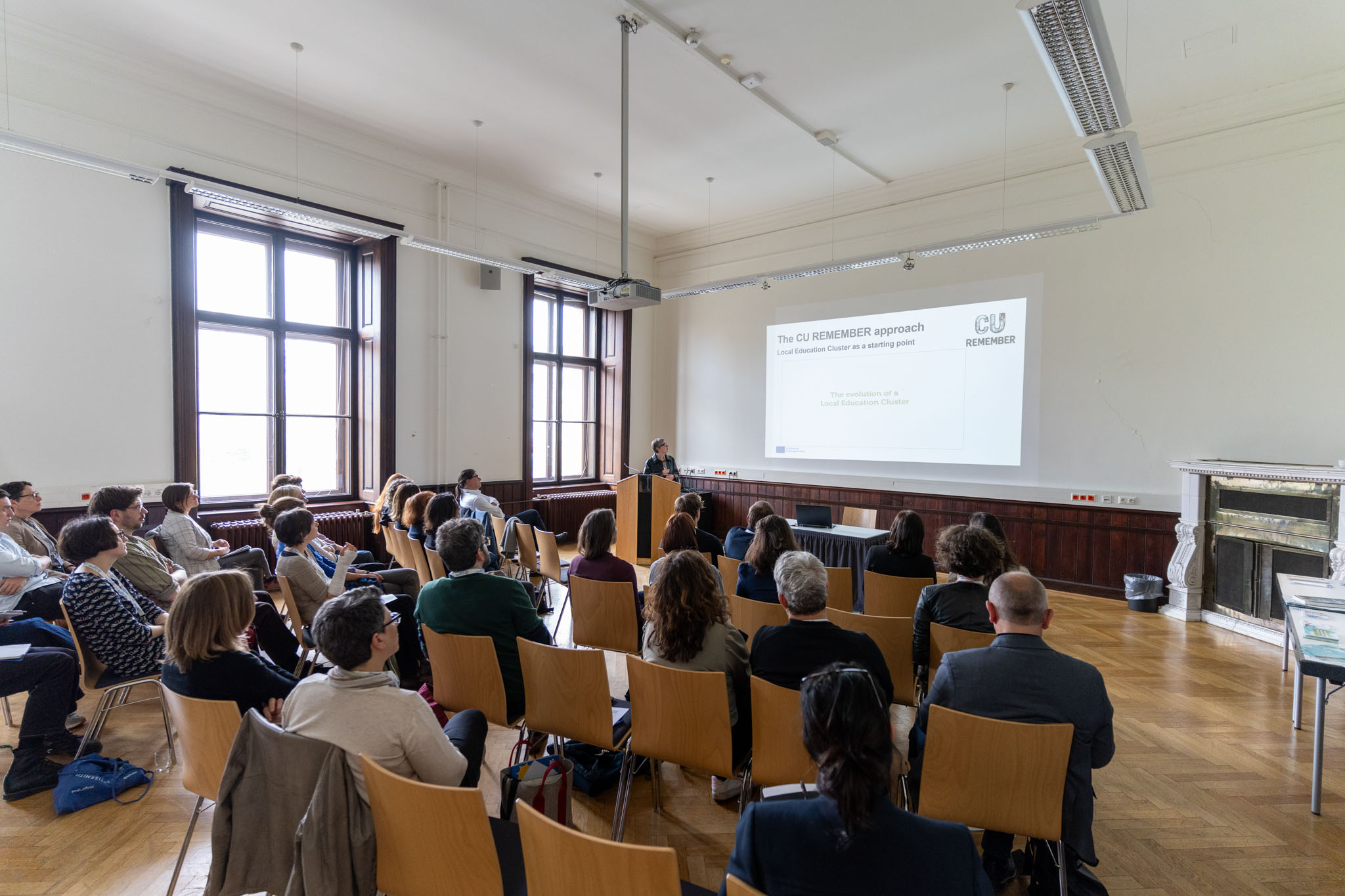
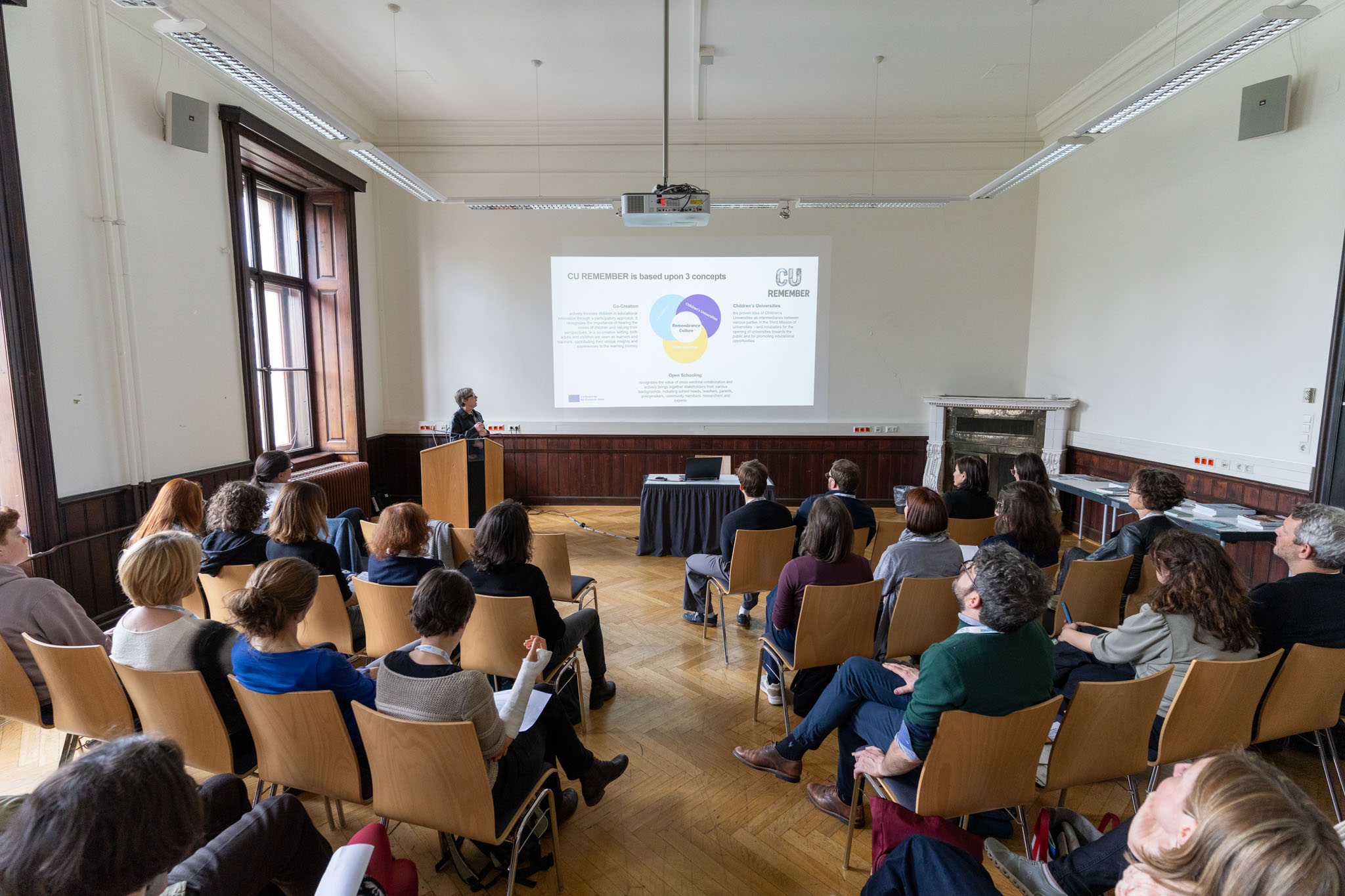
As Karoline Iber from the Vienna University Children’s Office elaborated in the project introduction CU REMEMBER seeks to create engaging, meaningful ways for young people to connect with complex historical narratives, particularly surrounding the Holocaust and remembrance culture by leveraging experiences from Children’s Universities as well-established science engagement methodology. For many organisations running Children’s Universities contemporary history and especially the topic of remembrance culture is a new topic and rarely part of their programs. Still, acknowledging the utter importance of those topics for our society we think that by creating age-appropriate, engaging formats, Children’s Universities can help children understand the significance of historical events like the Holocaust, the development of democracy, and the importance of human rights.
Children’s universities are catalysts and translators. The programs bring together the knowledge of experts, researchers with a young audience. This is true for all kind of scientific topics and especially for difficult topics as the Holocaust.
The project consortium of CU REMEMBER includes experts as the Austrian association for historical and political education and international dialogue (Gedenkdienst) and researchers from University of Trieste. Still we have a lot to learn and therefore the project started with a public event, where we invited all kinds of stakeholders to profit from their experience and counsel. Also to start an EU Project without establishing a common ground as basis for common understanding would be a bad decision. Collaboration is the cornerstone of success in any project. Especially when it comes to a pilot project which involves a lot of learning.
Confronting Historical Narratives – Input from a country perspective
To start the discussion two powerful presentations highlighted the complex landscape of remembrance culture:
Austria’s Challenging Memory
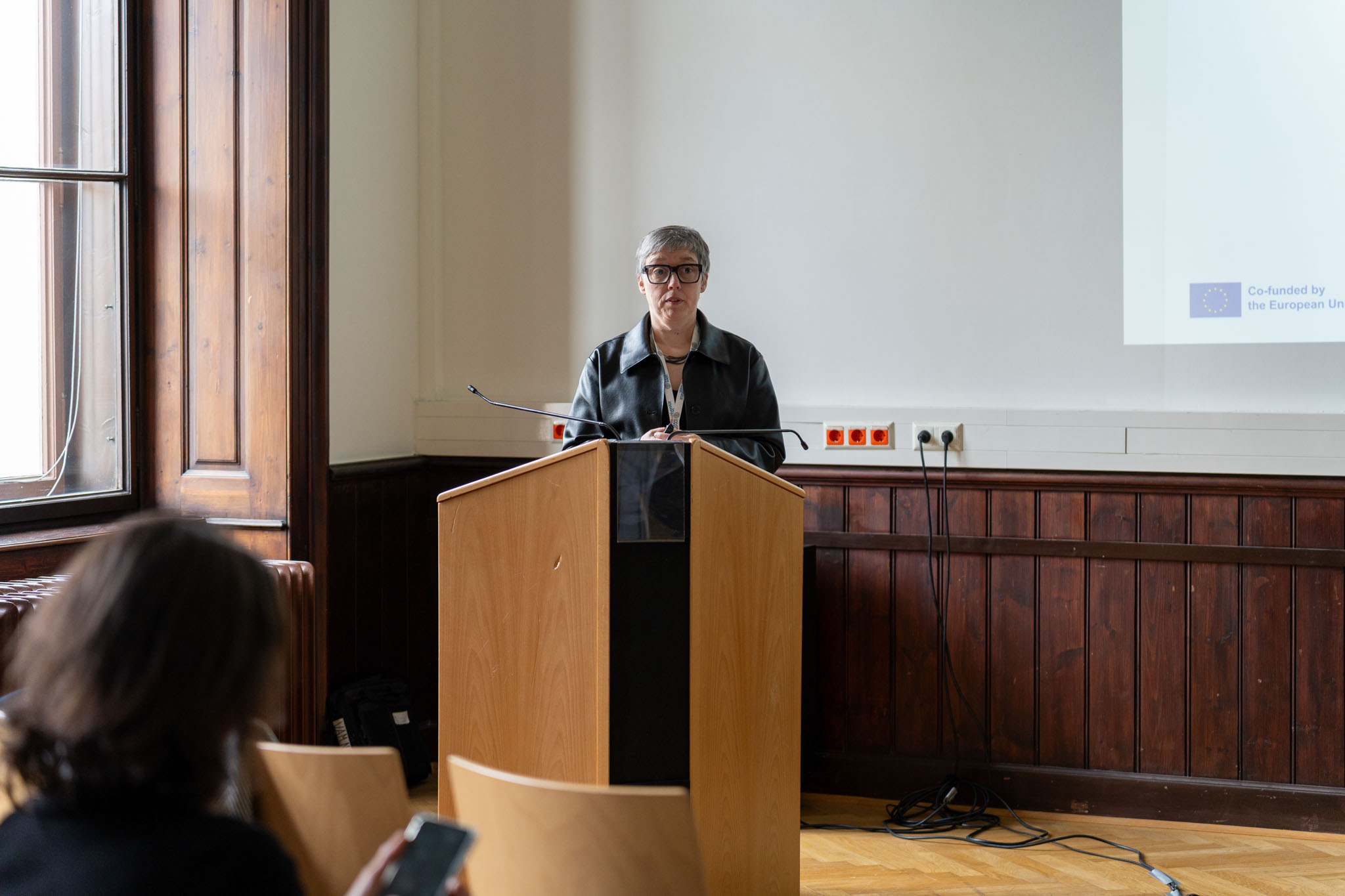
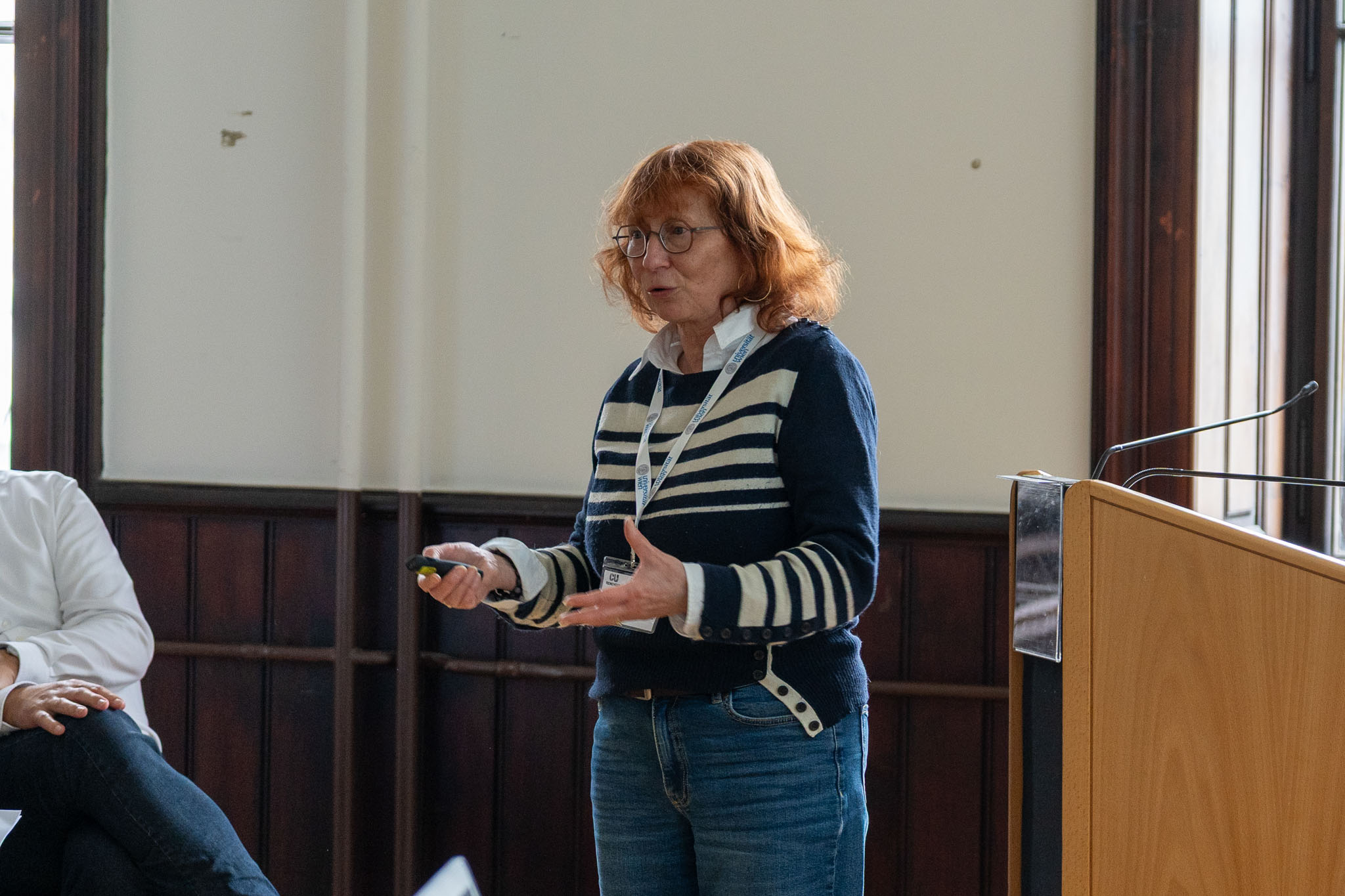
Valerie Zichy from the GEDENKDIENST – Association for historical and political education and international dialogue offered a critical examination of collective memory in Austria. Key insights included:
- The persistent “Opfermythos” (victim myth) that long obscured Austria’s role in Nazi-era atrocities
- The Waldheim Affair as a turning point in national remembrance
- The ongoing challenge of confronting historical responsibility
- The danger of distorting or erasing collective memory
Italian Remembrance Perspectives
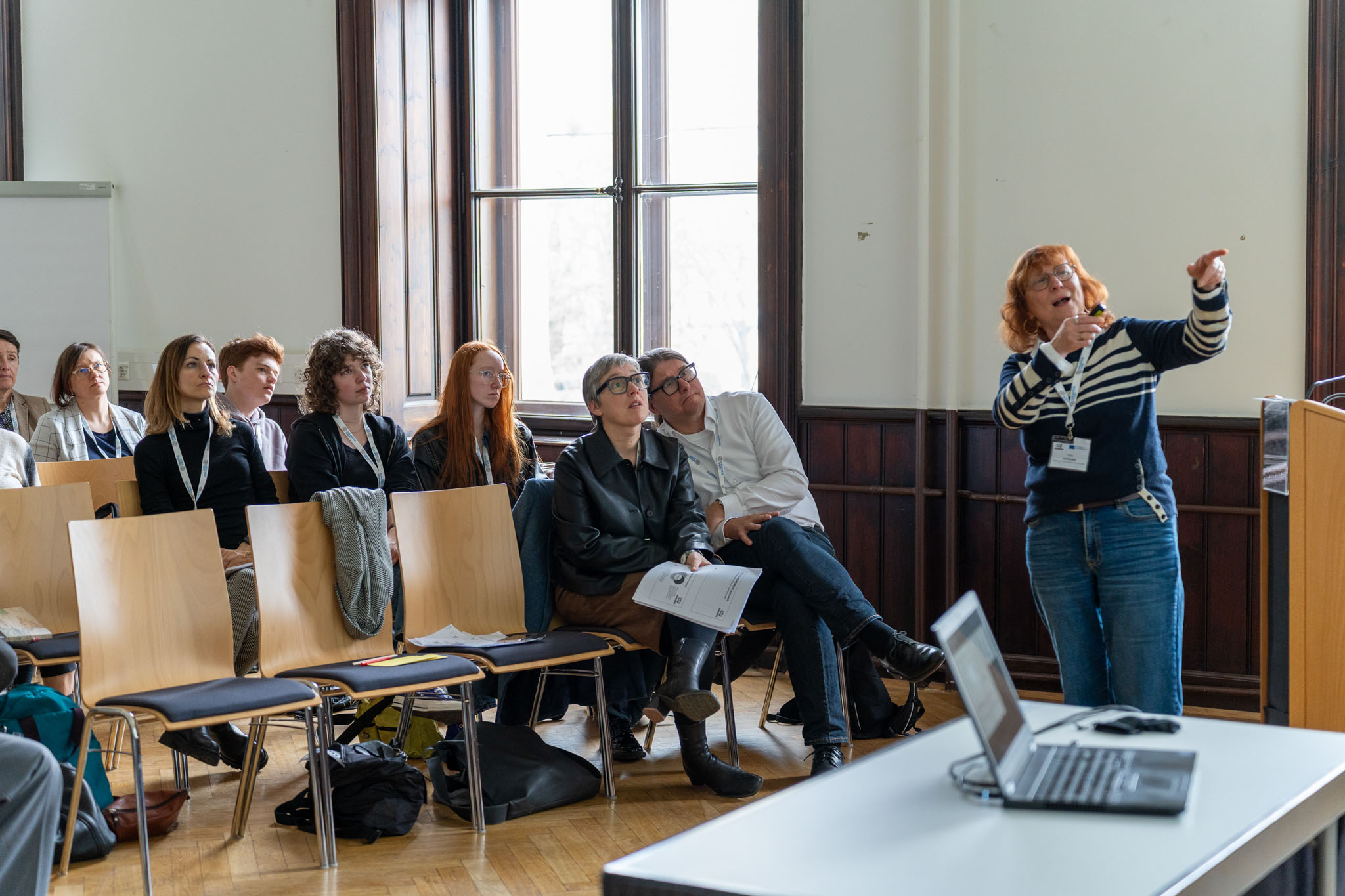
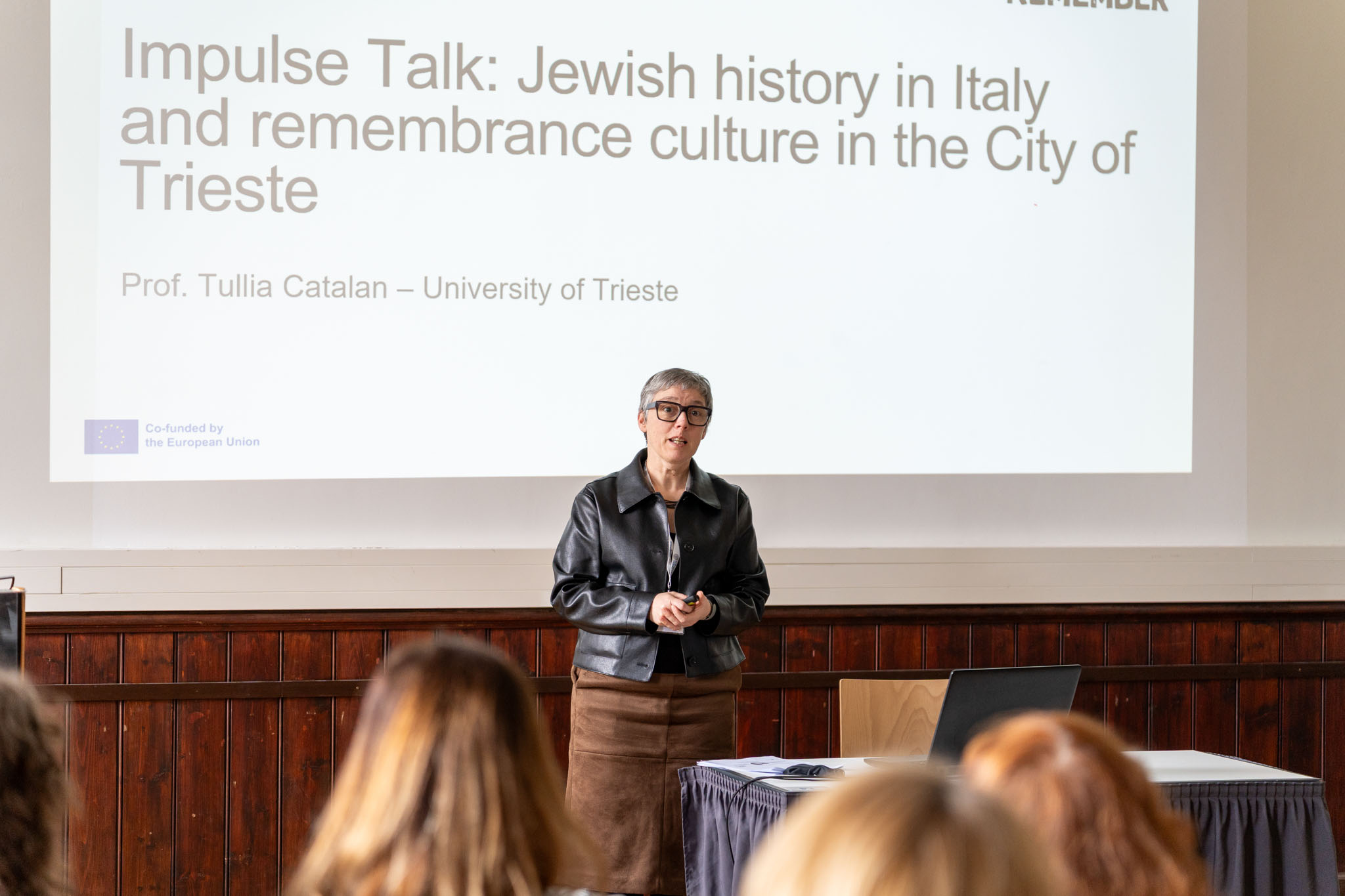
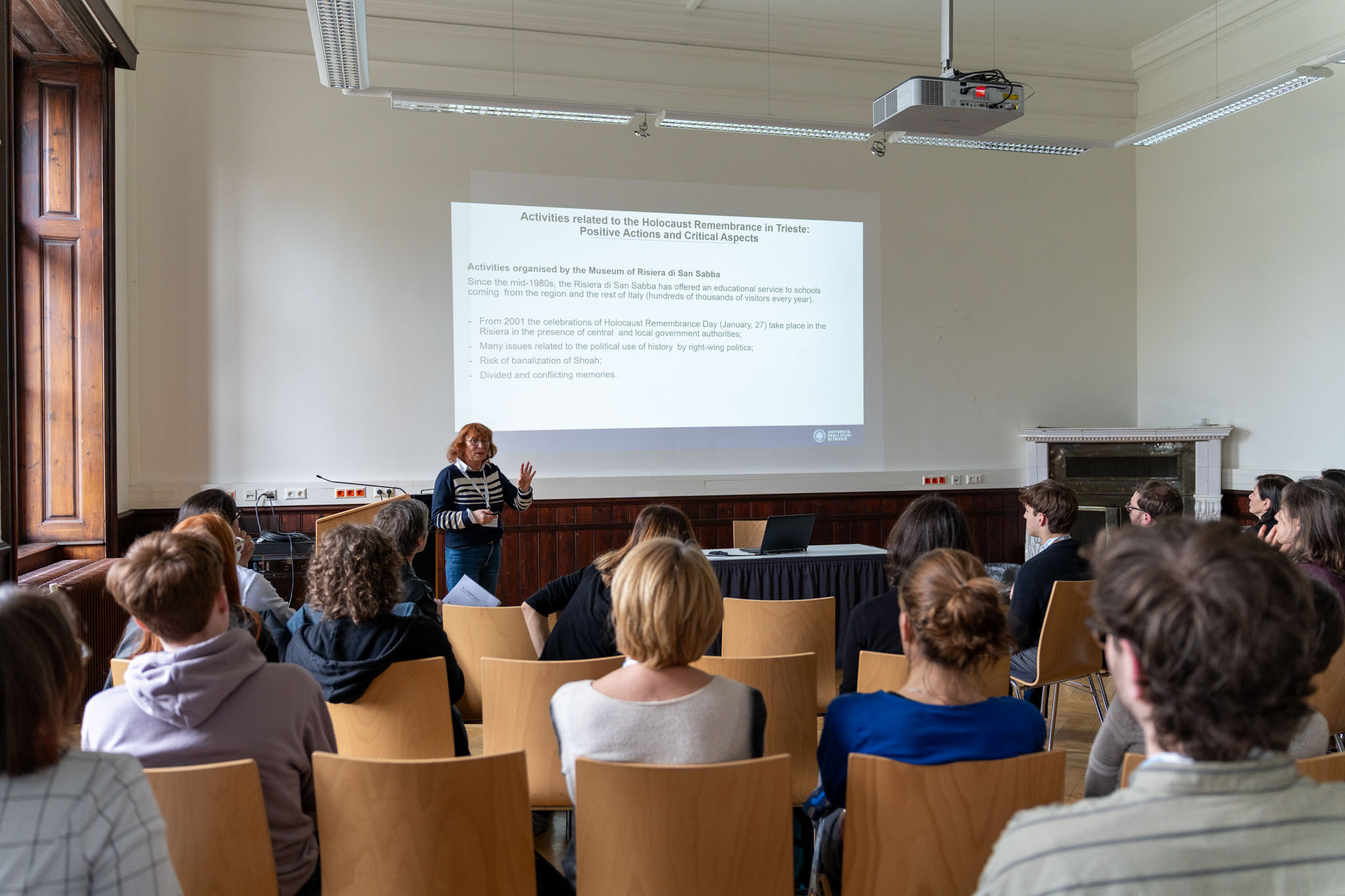
Professor Tullia Catalan from the University of Trieste shed light on the complex landscape of Holocaust remembrance in Italy, revealing:
- The difficult process of deconstructing the myth of the “good Italian”
- The role of places of remembrance, such as the Risiera di San Sabba concentration camp
- The importance of educational initiatives like remembrance trips and Stolpersteine
Diverse Perspectives, Shared Goals – Co-creating the project foundations
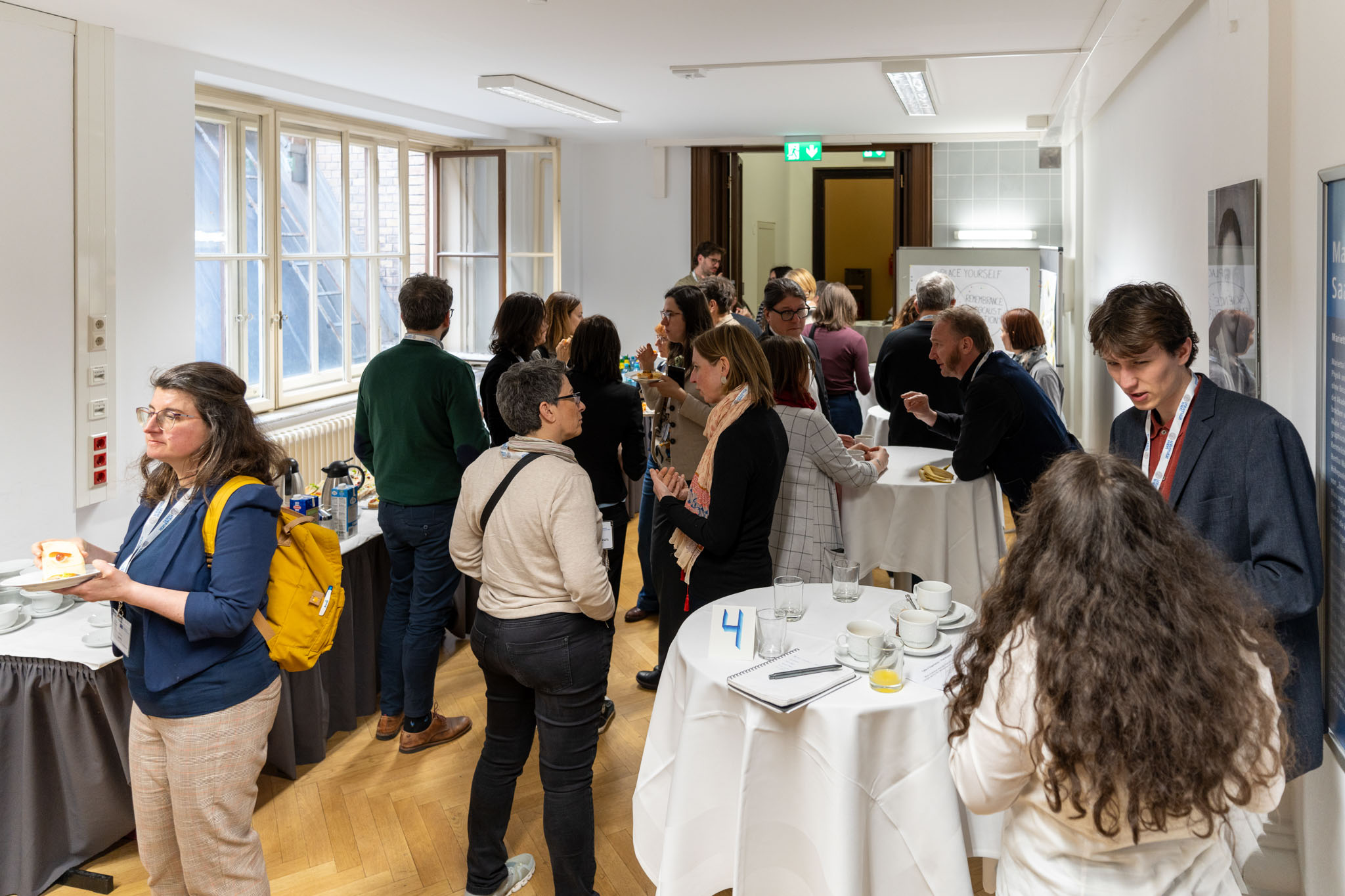
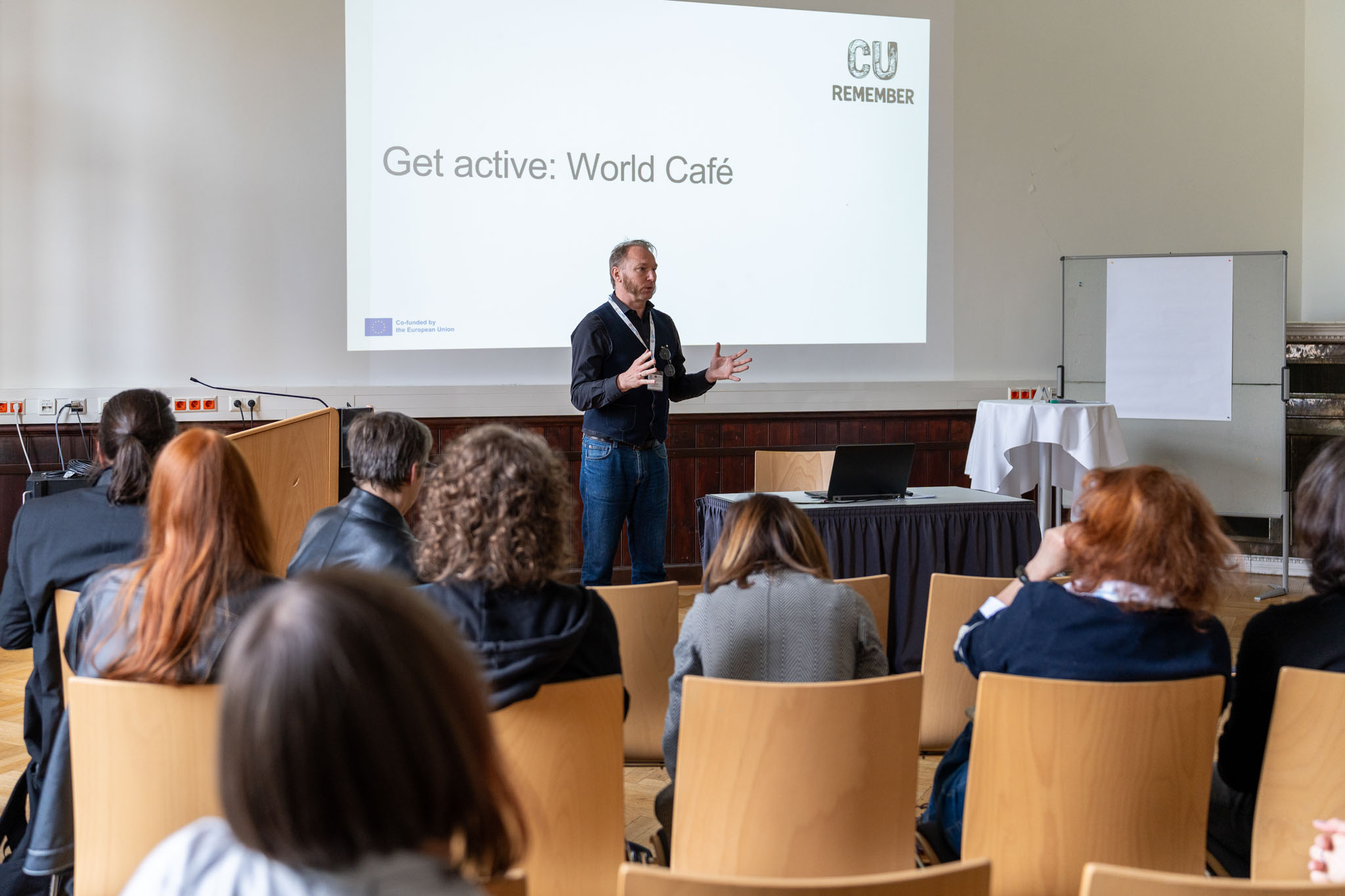
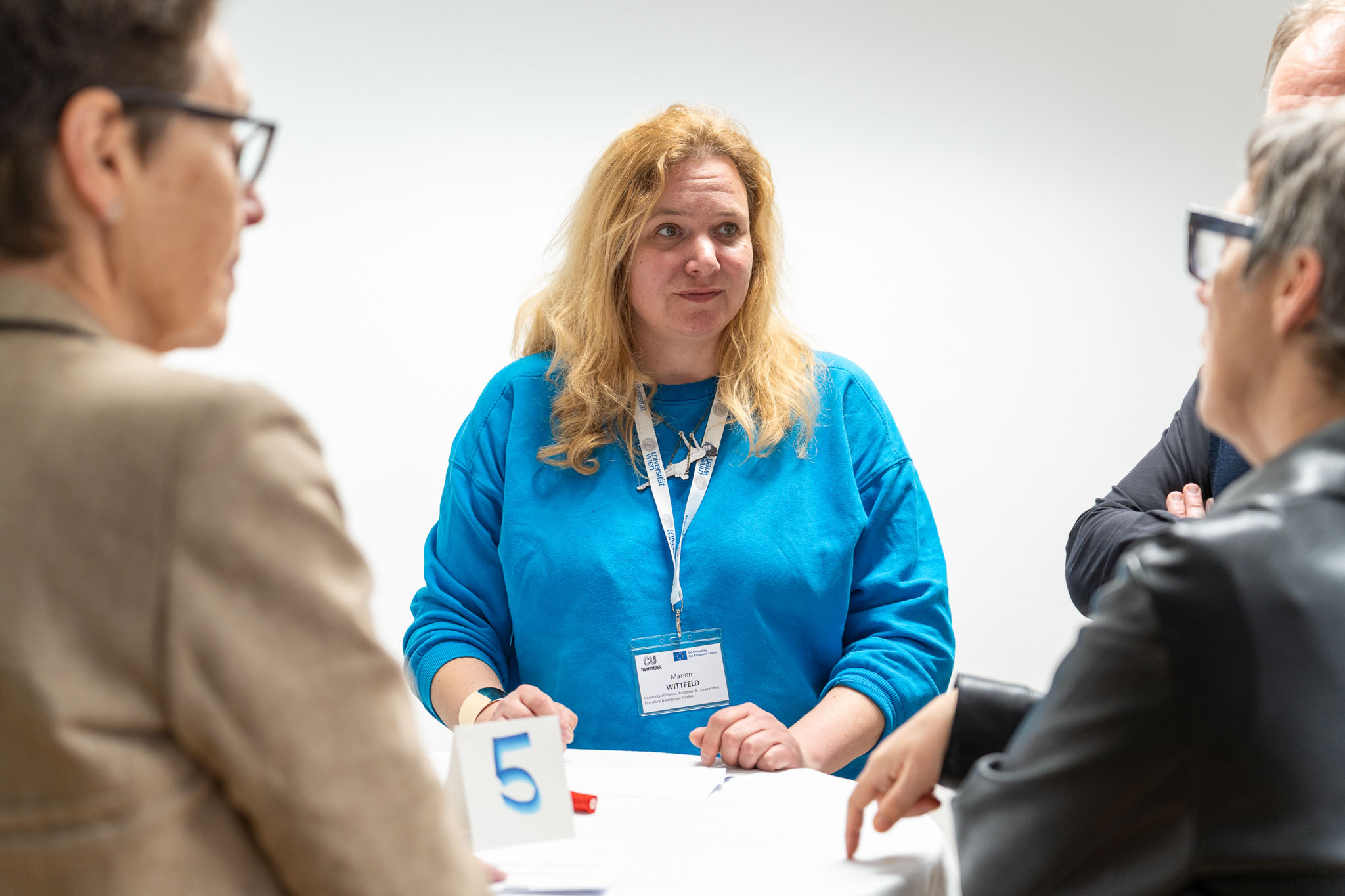
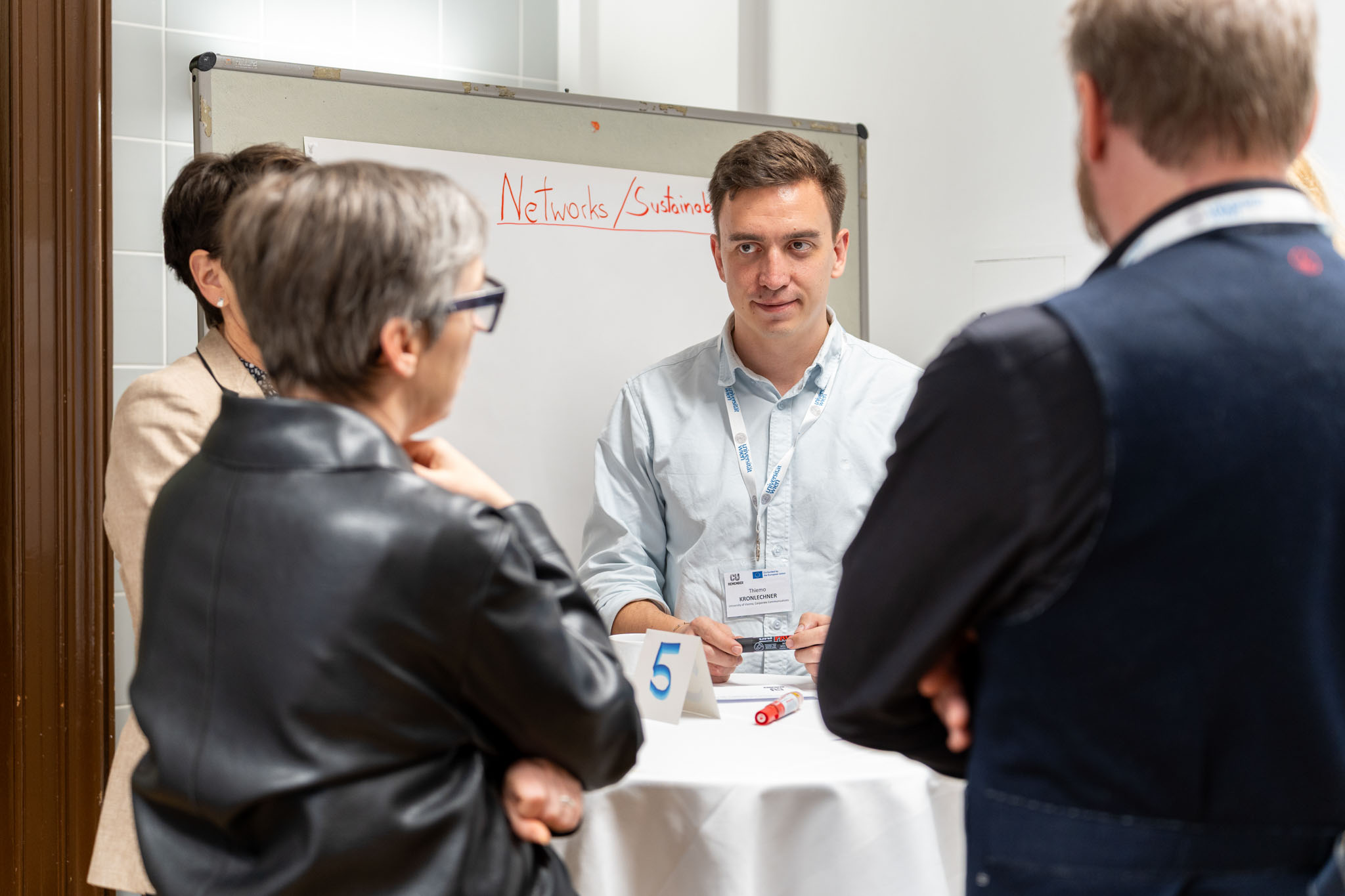
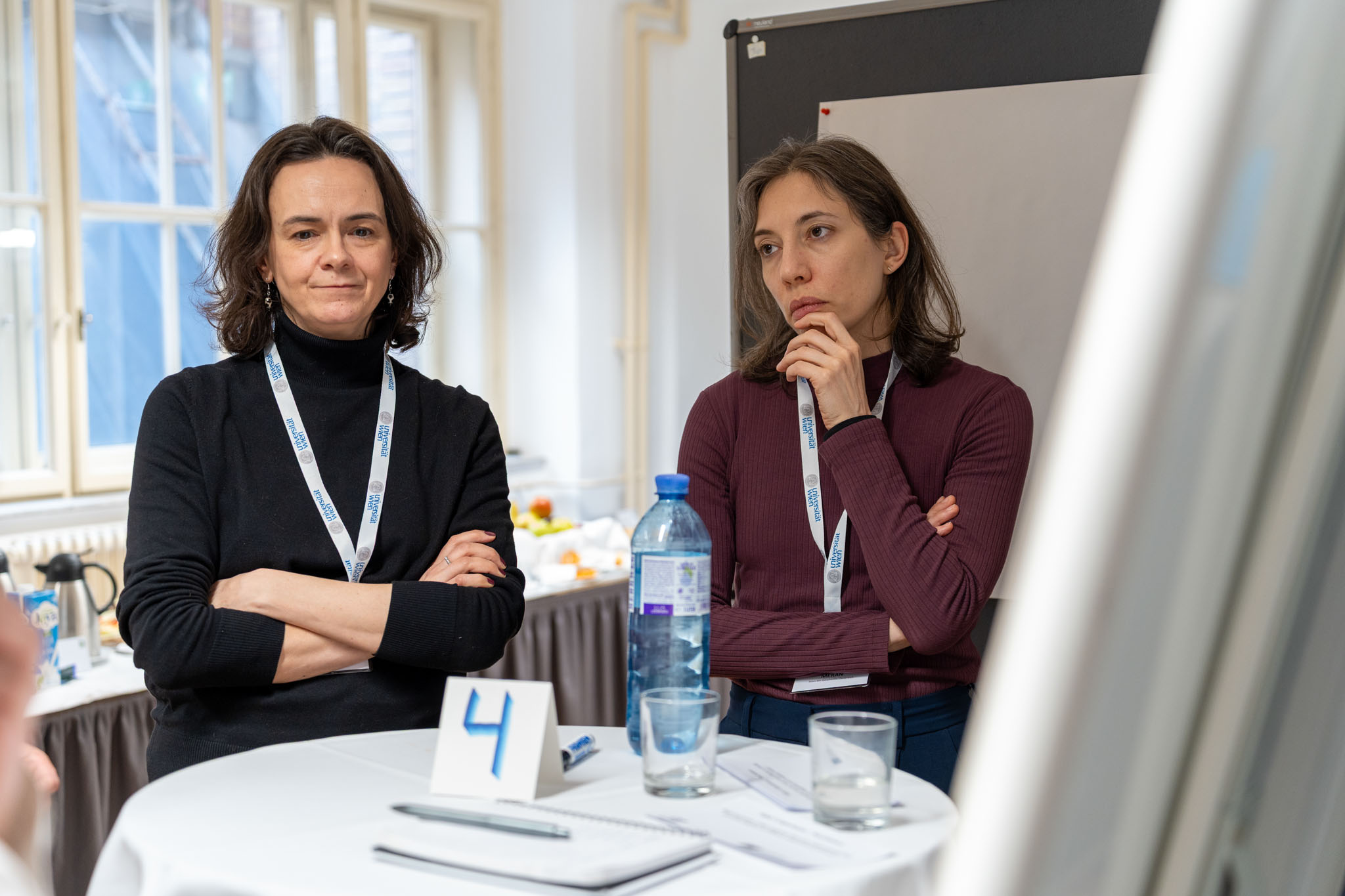
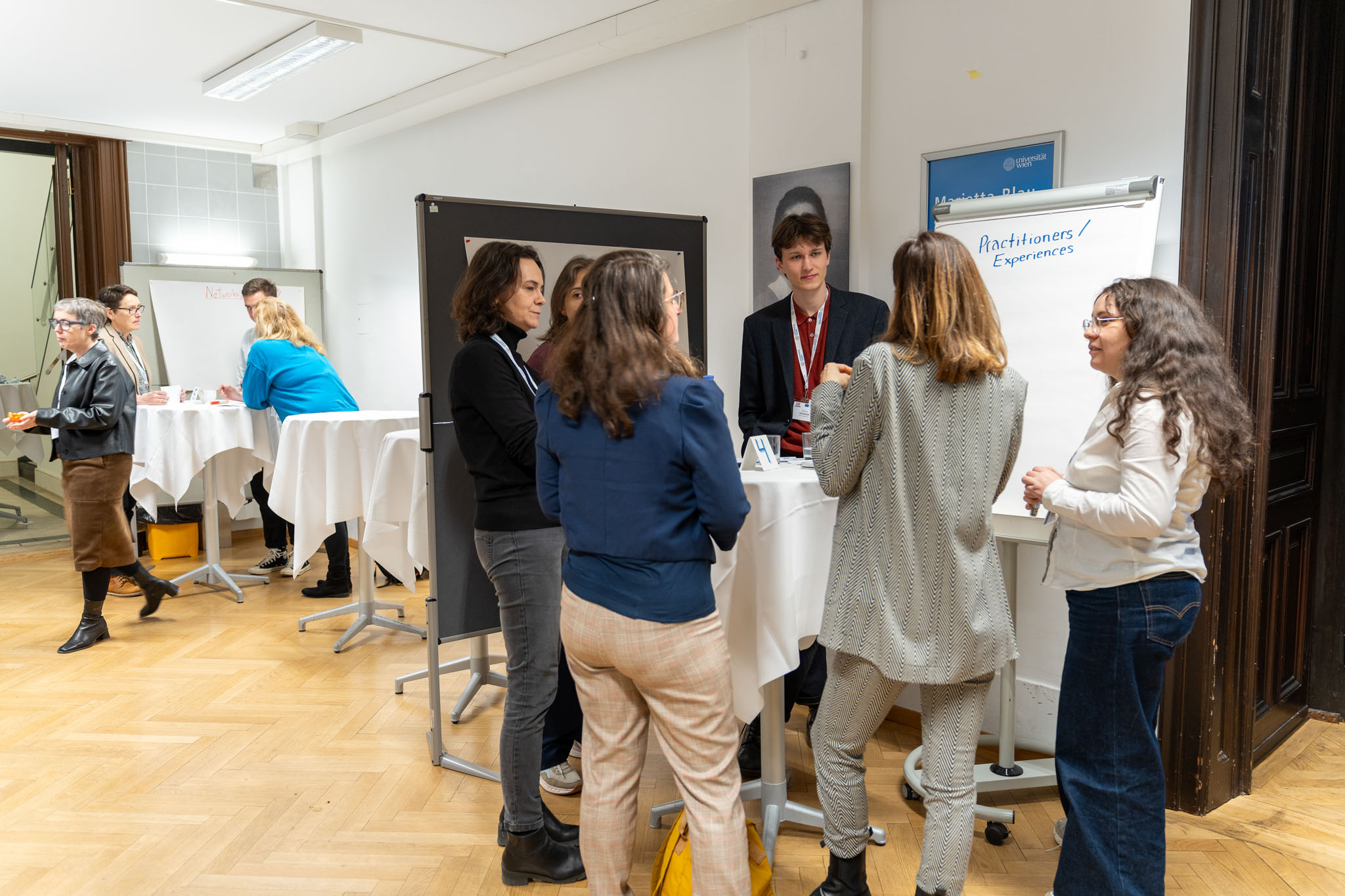
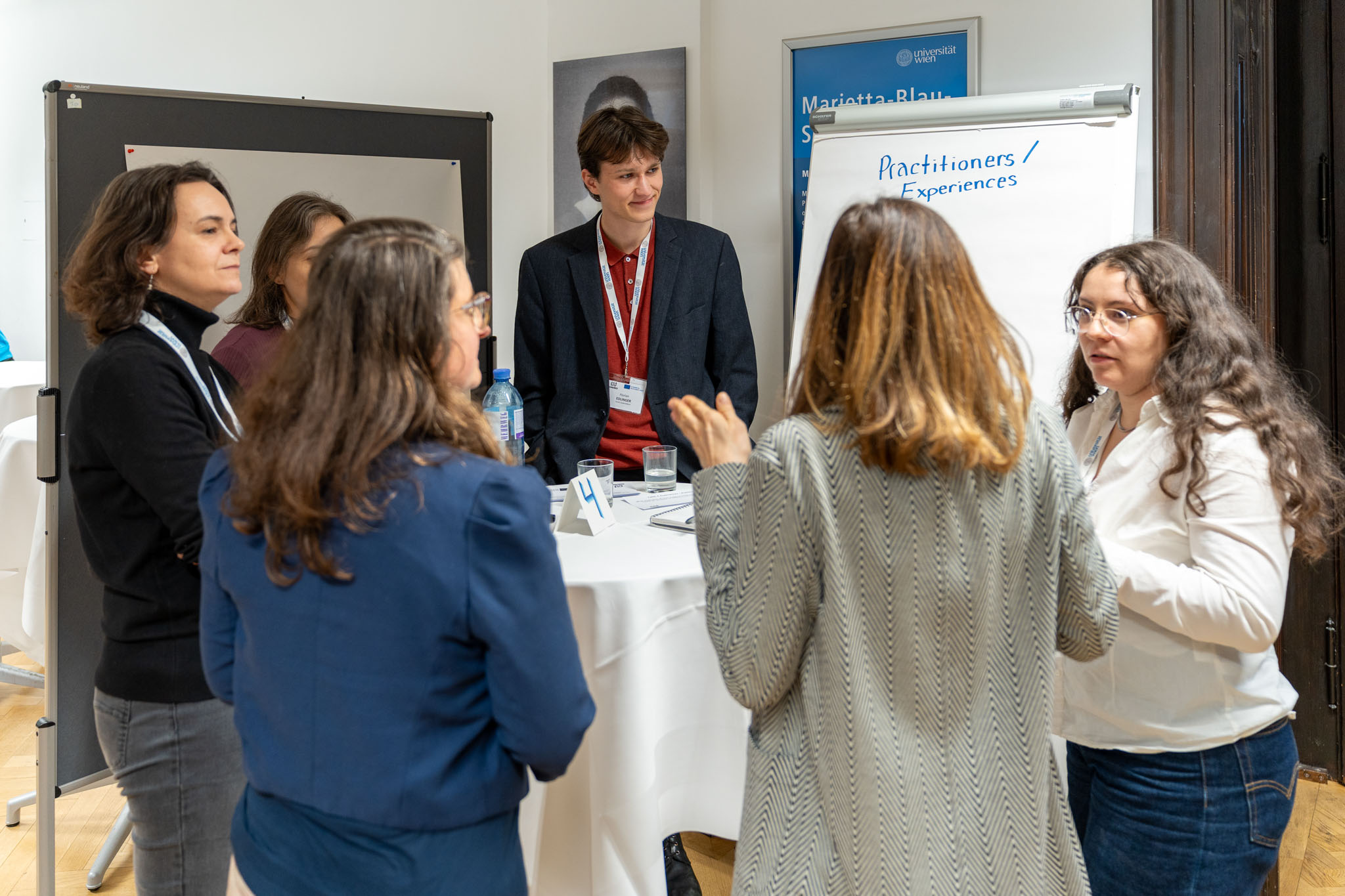
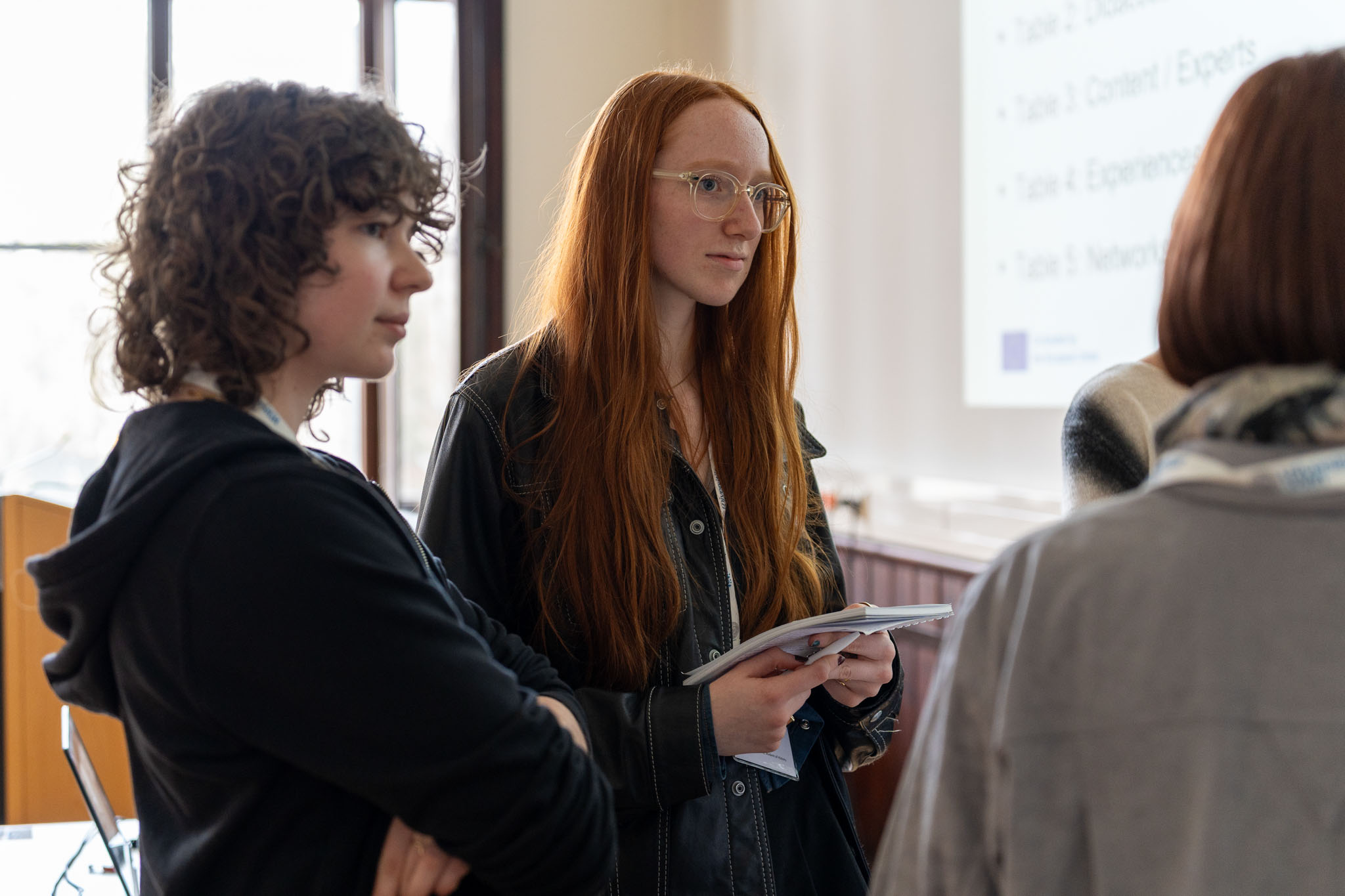
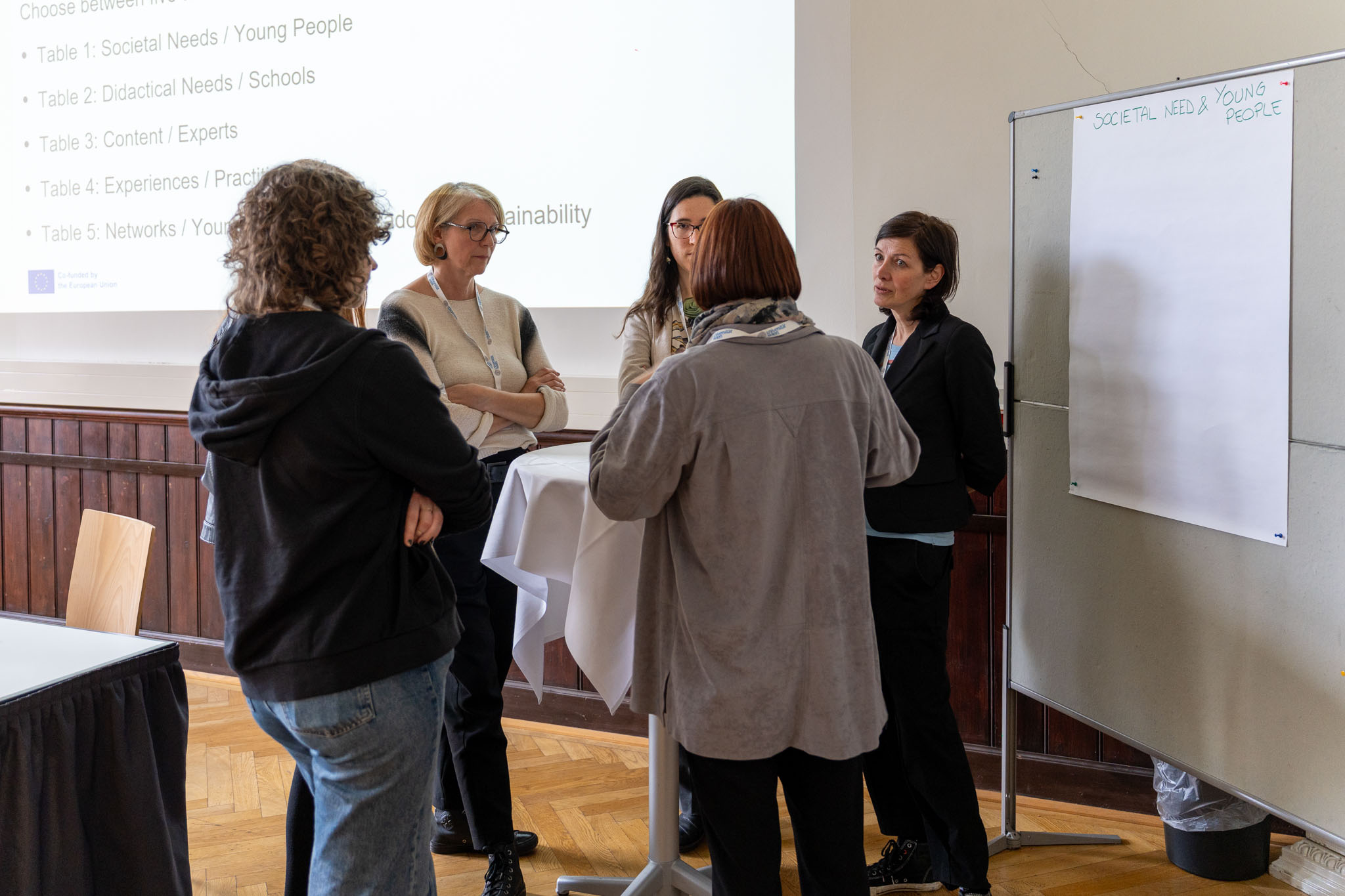
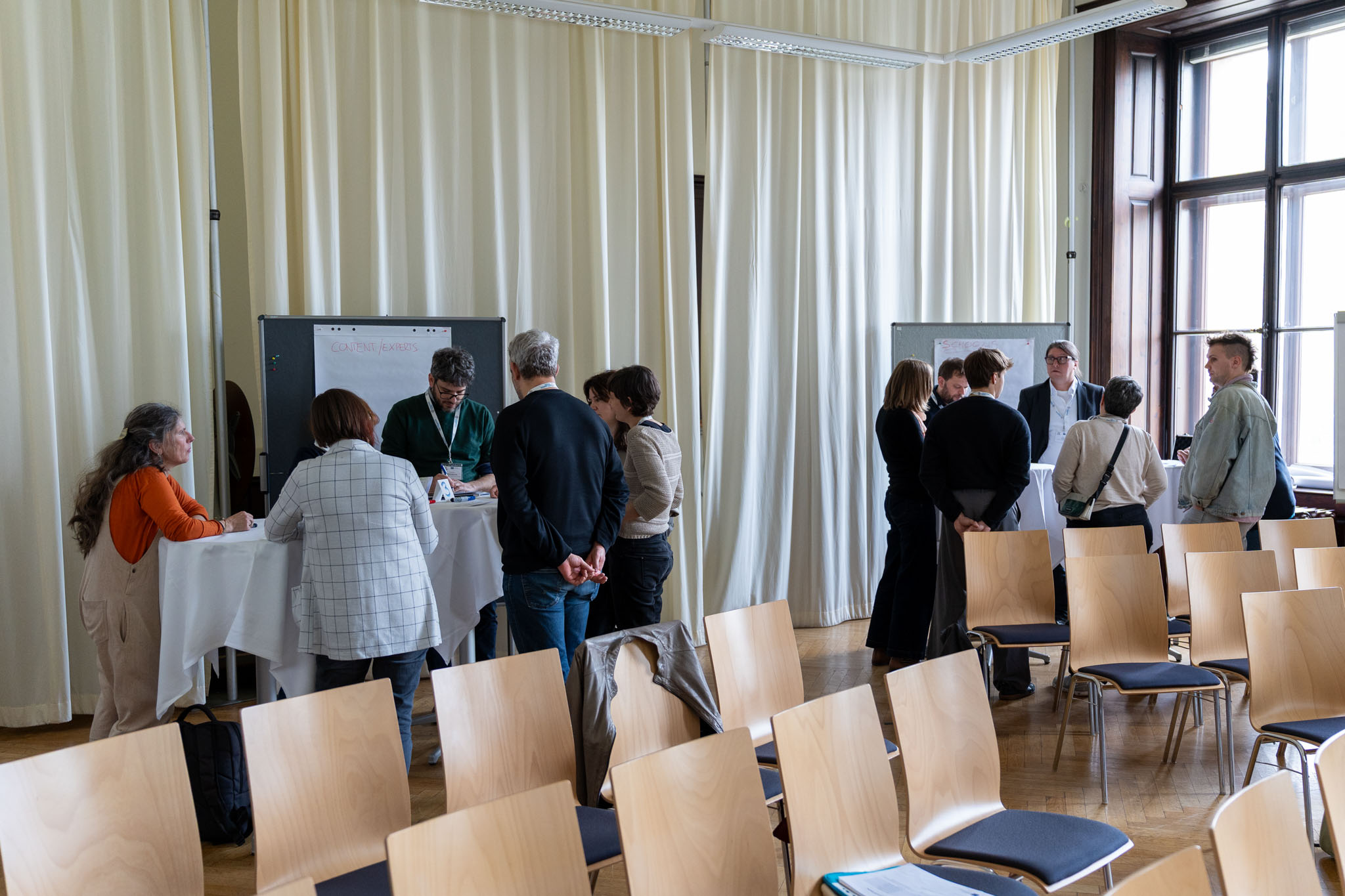
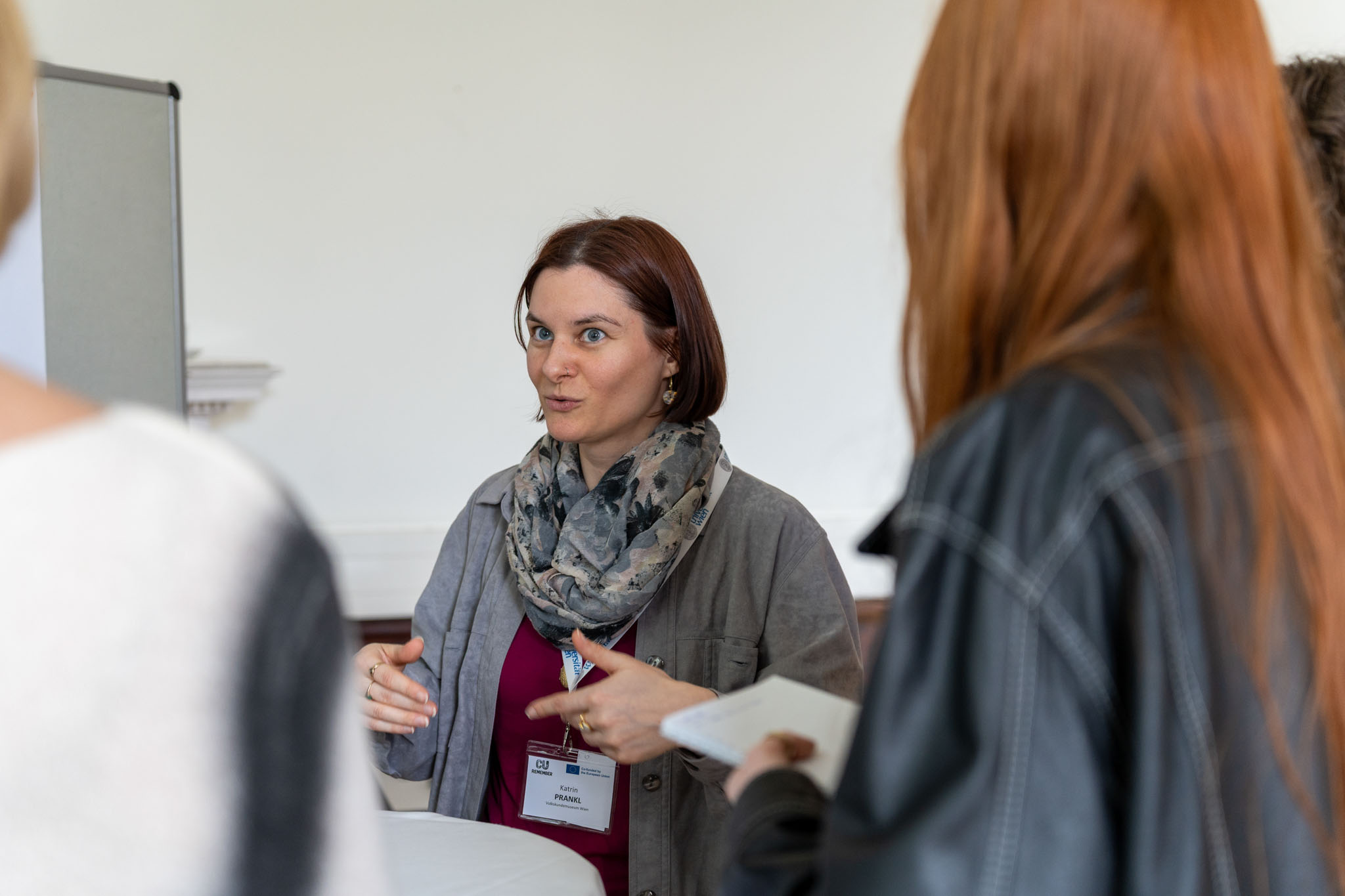
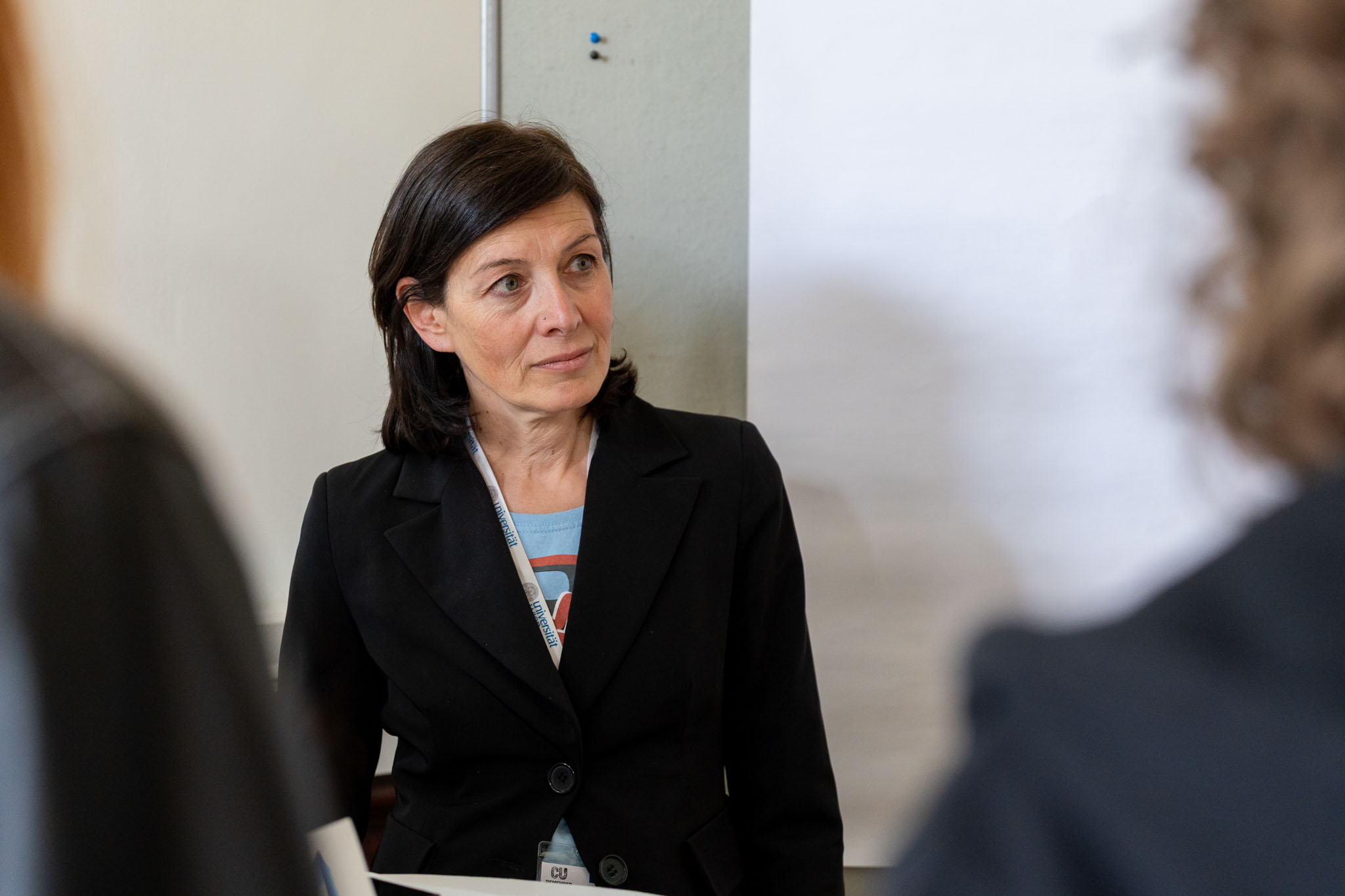
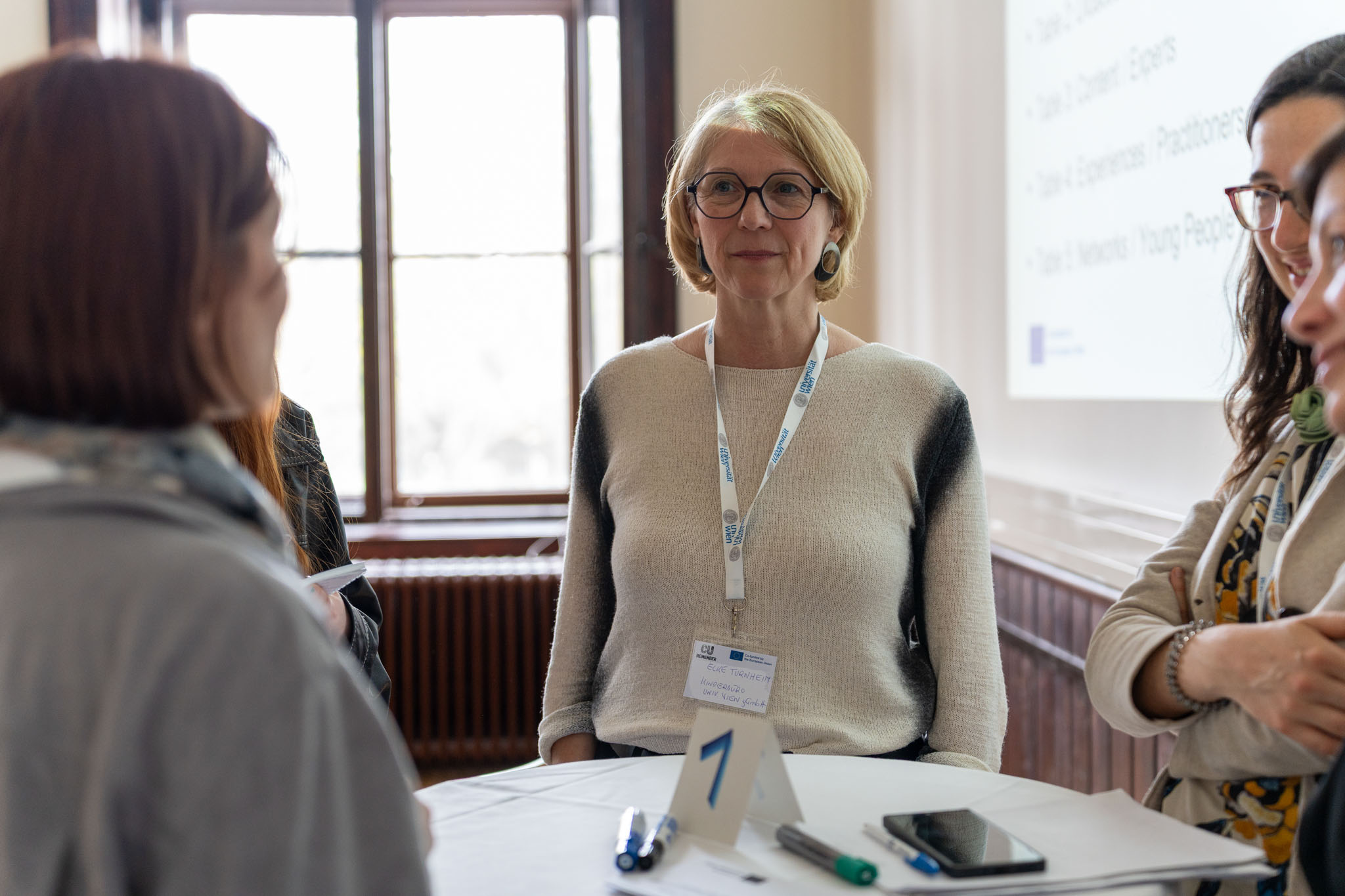
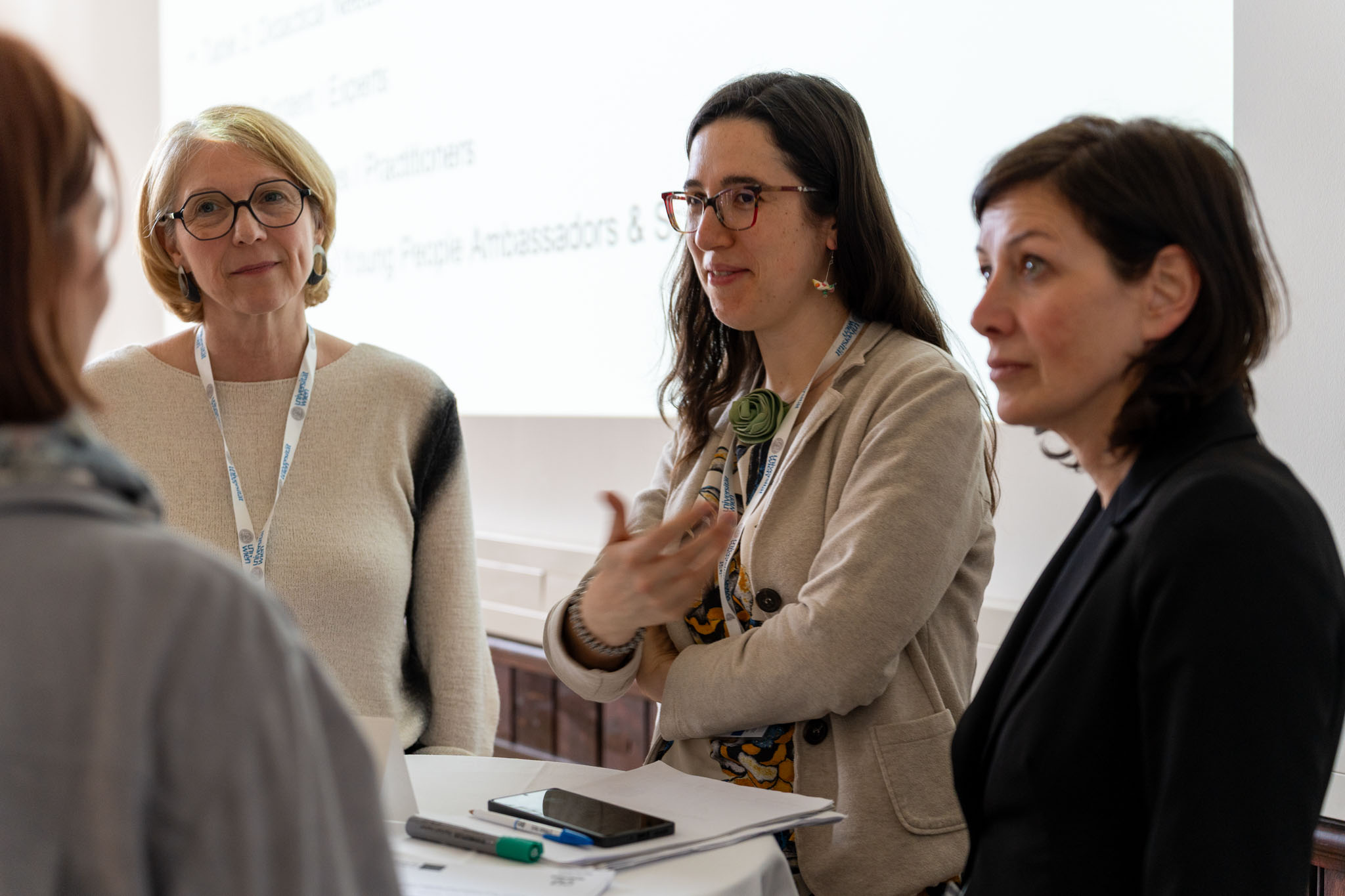
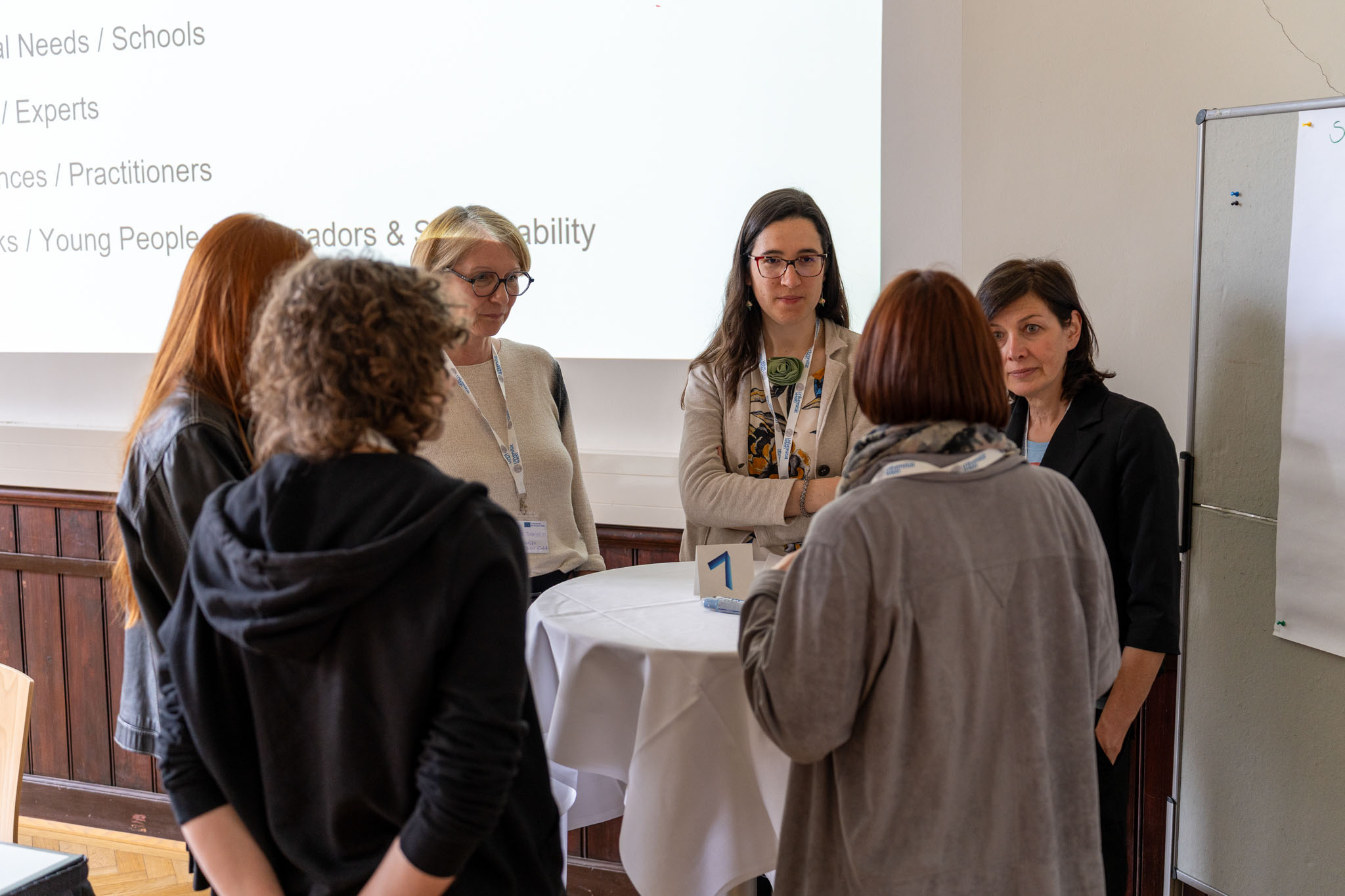
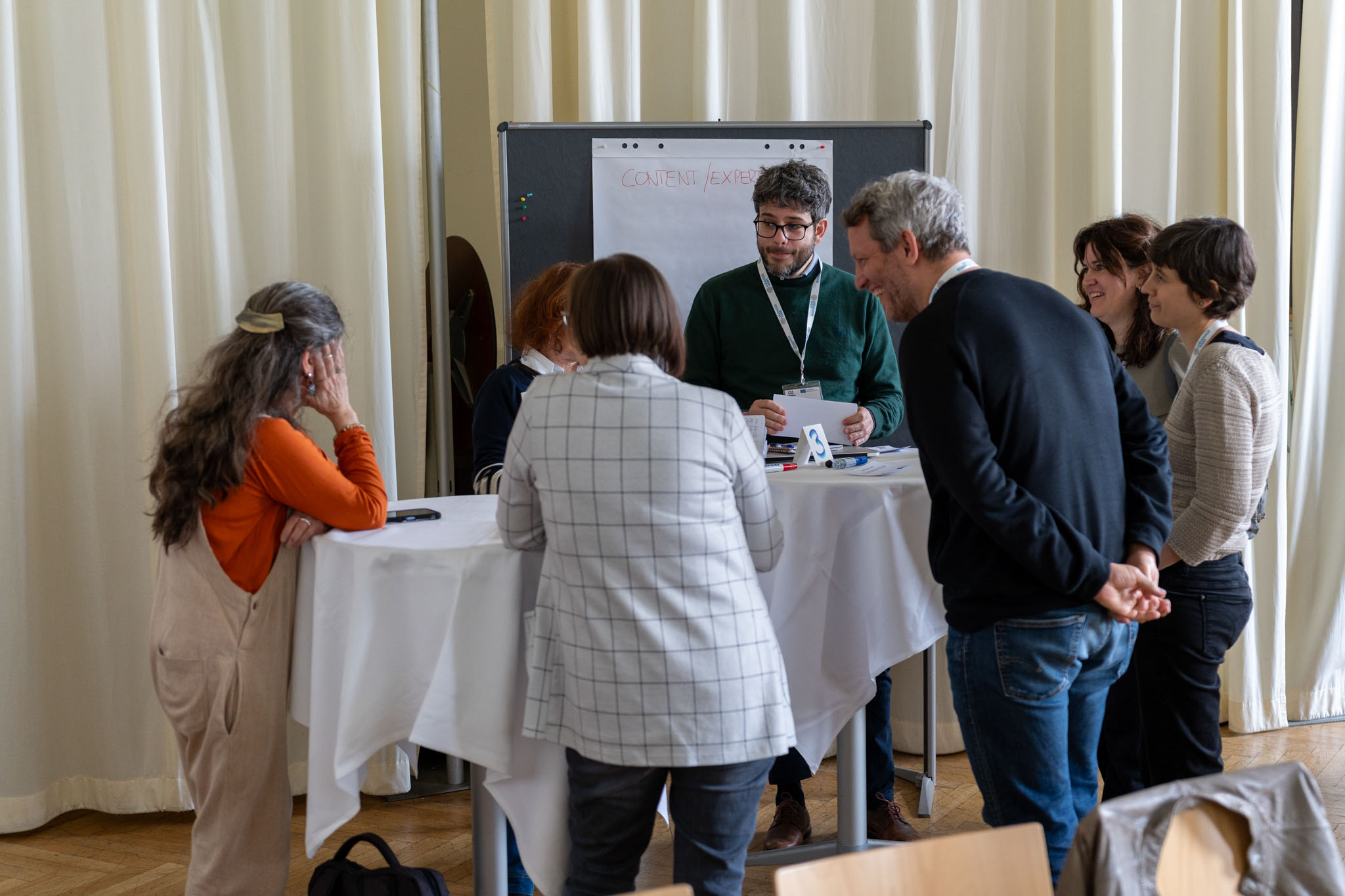
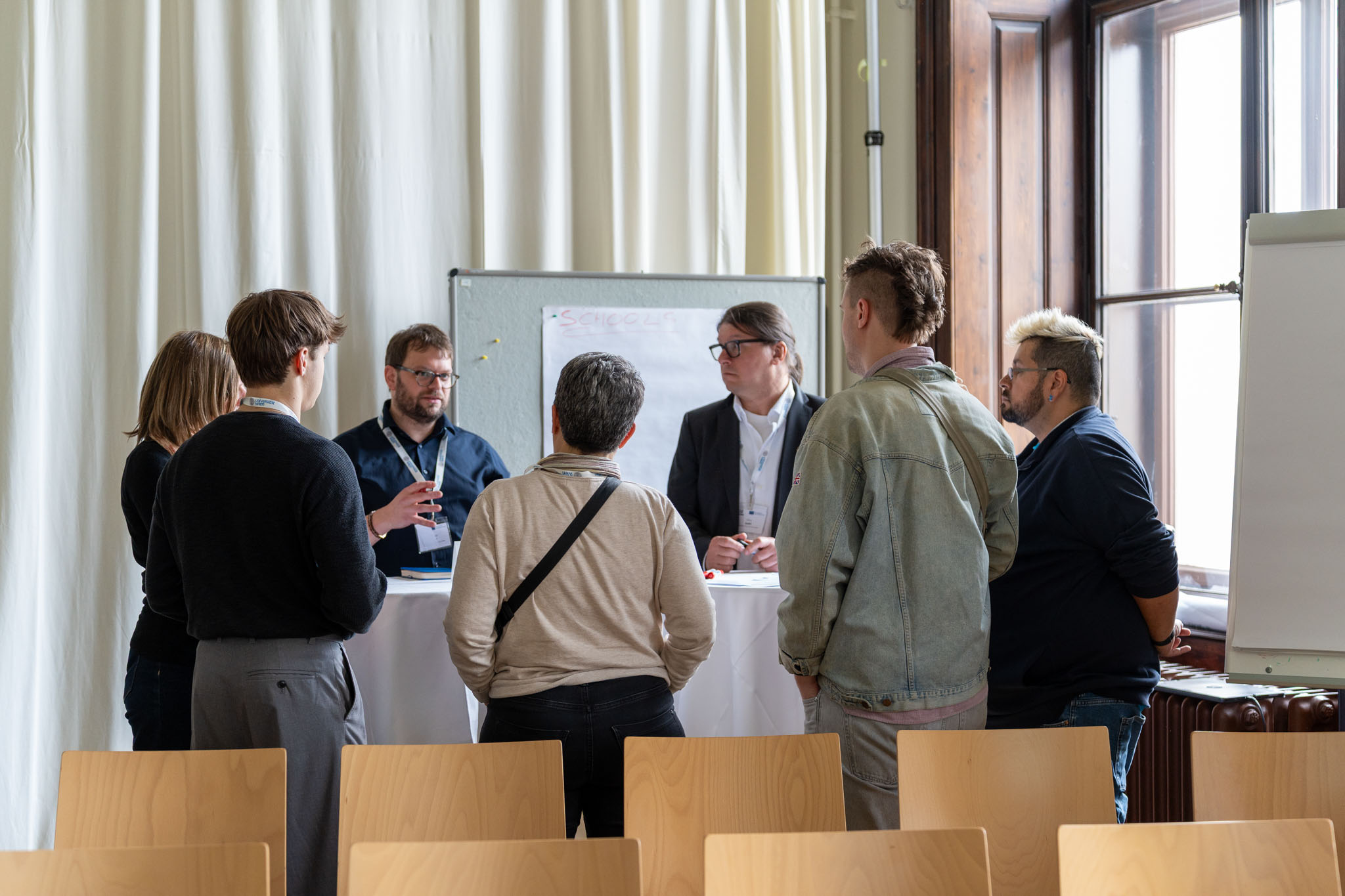
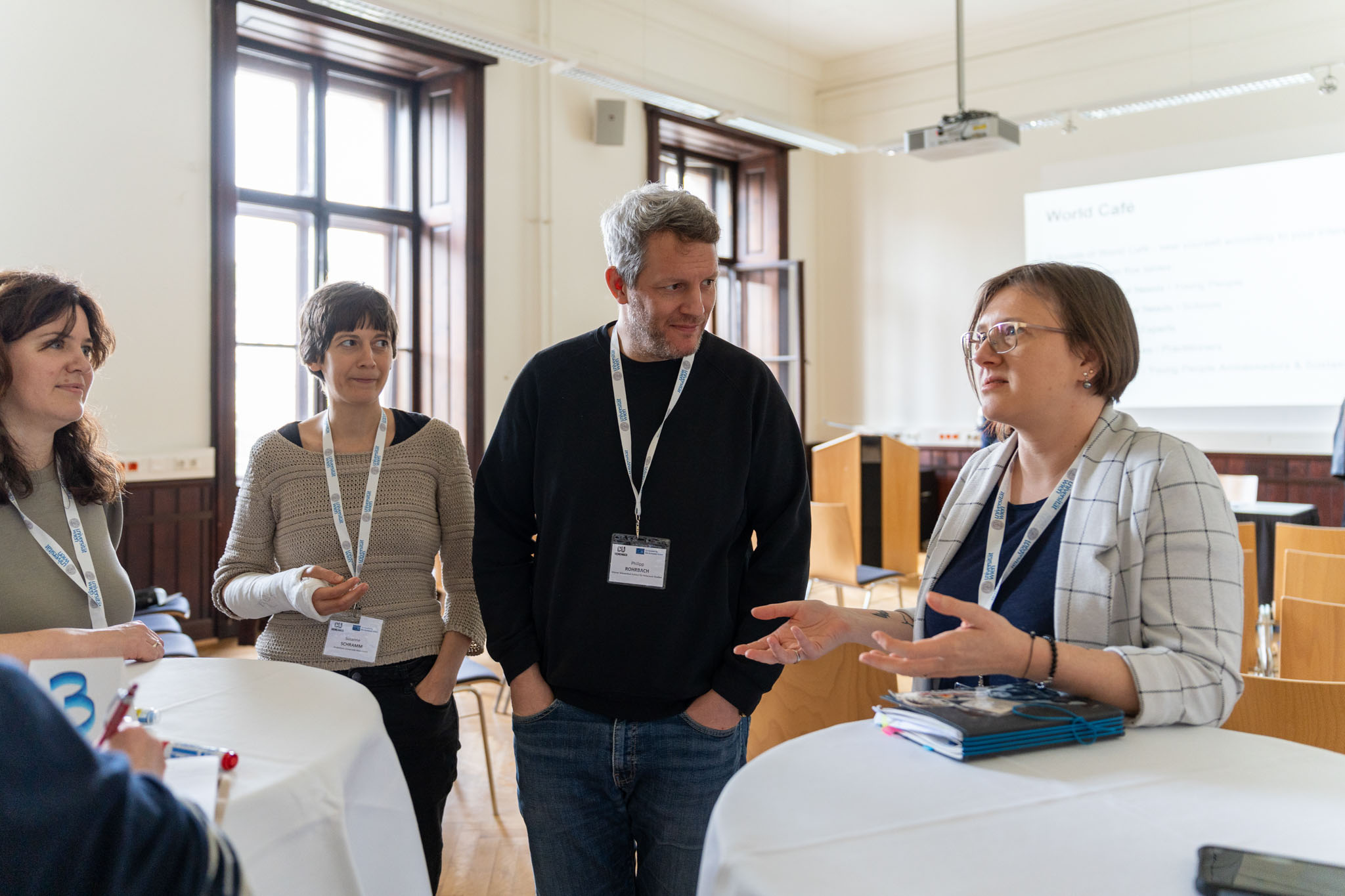
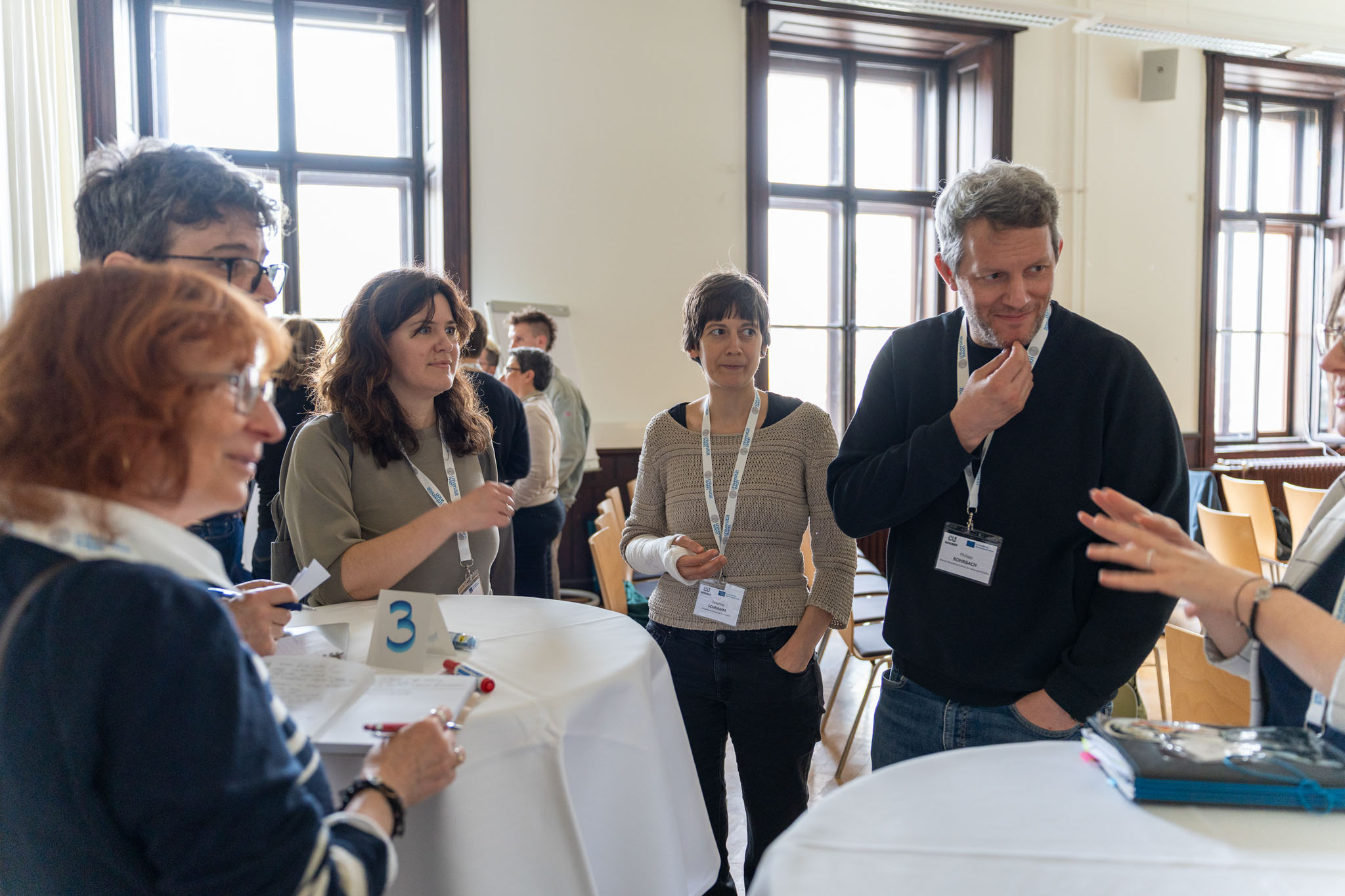
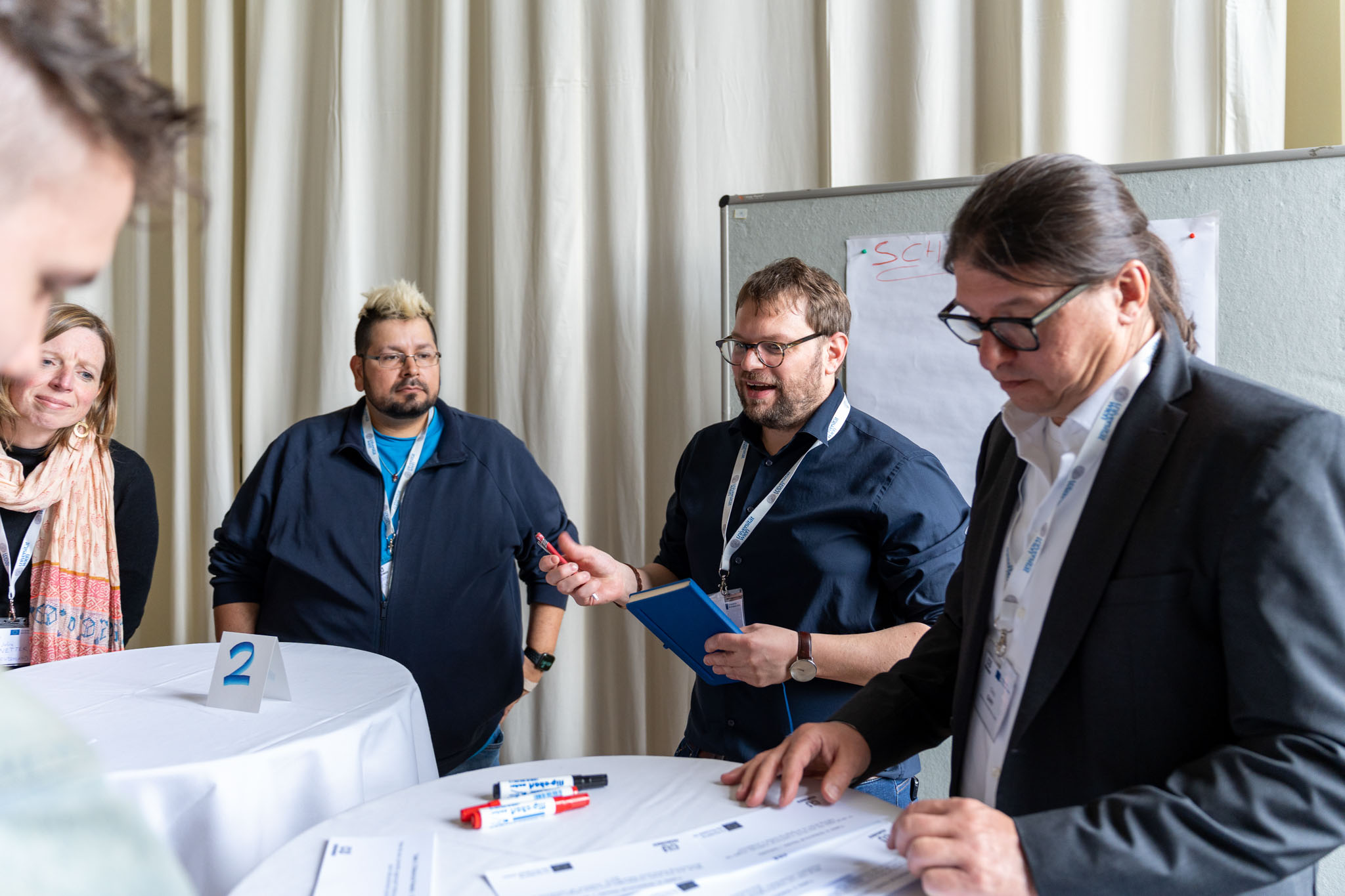
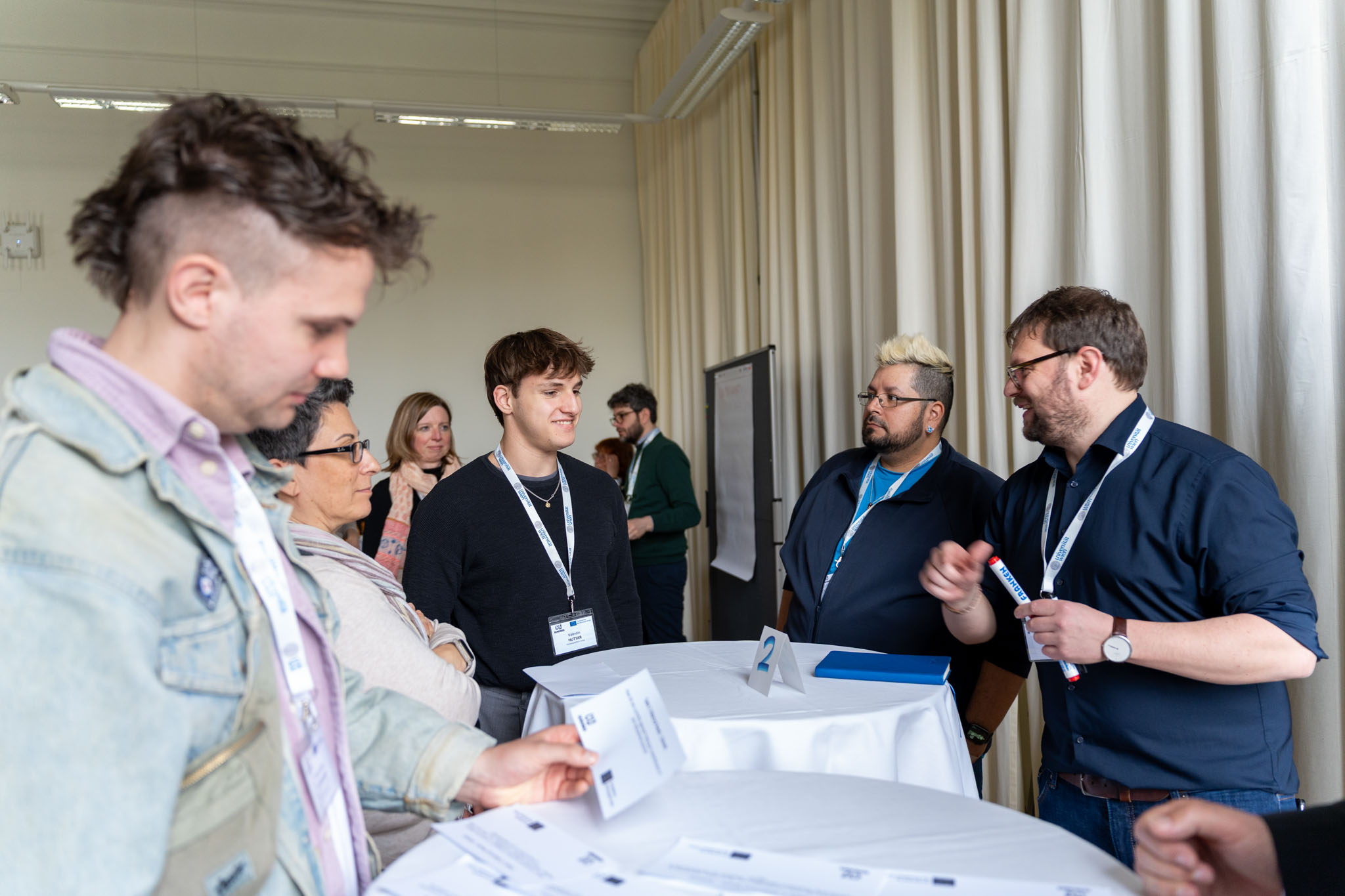
The World Cafe discussions – moderated by Cyril Dworsky – across five tables revealed important insights into contemporary approaches to Holocaust education and remembrance. Below we tried to summarise the most important aspects of the discussion. A more comprehensive summary will be part of the Common Ground Report in the future. The session was particularly illuminating, with participants exploring five critical thematic tables:
World Cafe Tables
- Societal Needs / Young People: Discussions centered on how to make historical events personally relevant to younger generations, exploring innovative engagement methods from digital platforms to interactive storytelling. (hosted by Francesca Rizzato & Federica Sgorbissa – Sissa Medialab)
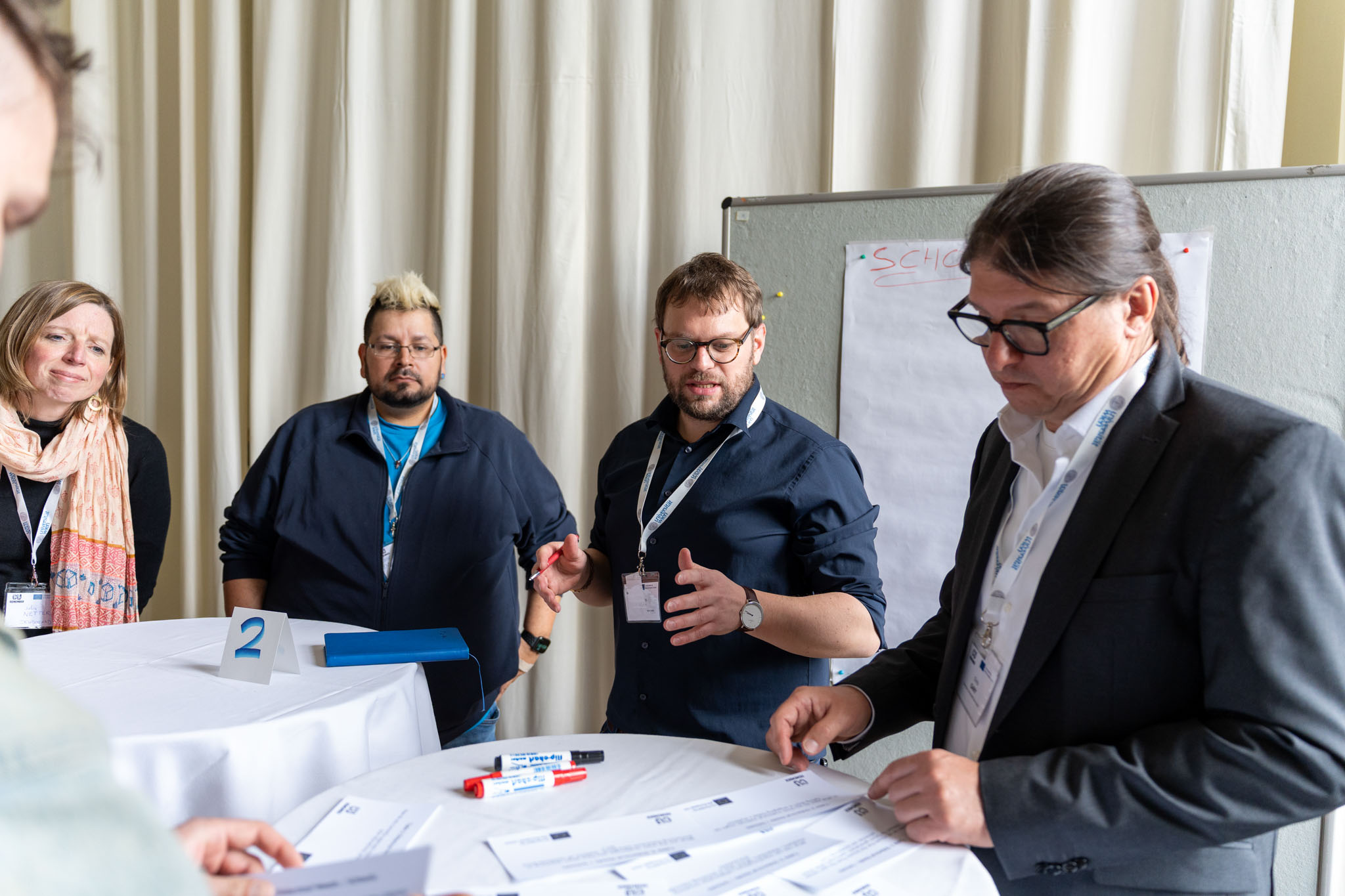
- Didactical Needs / Schools: this table examined challenges in teaching Holocaust history, seeking innovative strategies that transcend traditional classroom approaches. (hosted by Thomas Troy & Chris Gary – Kinderbüro Universität Wien)
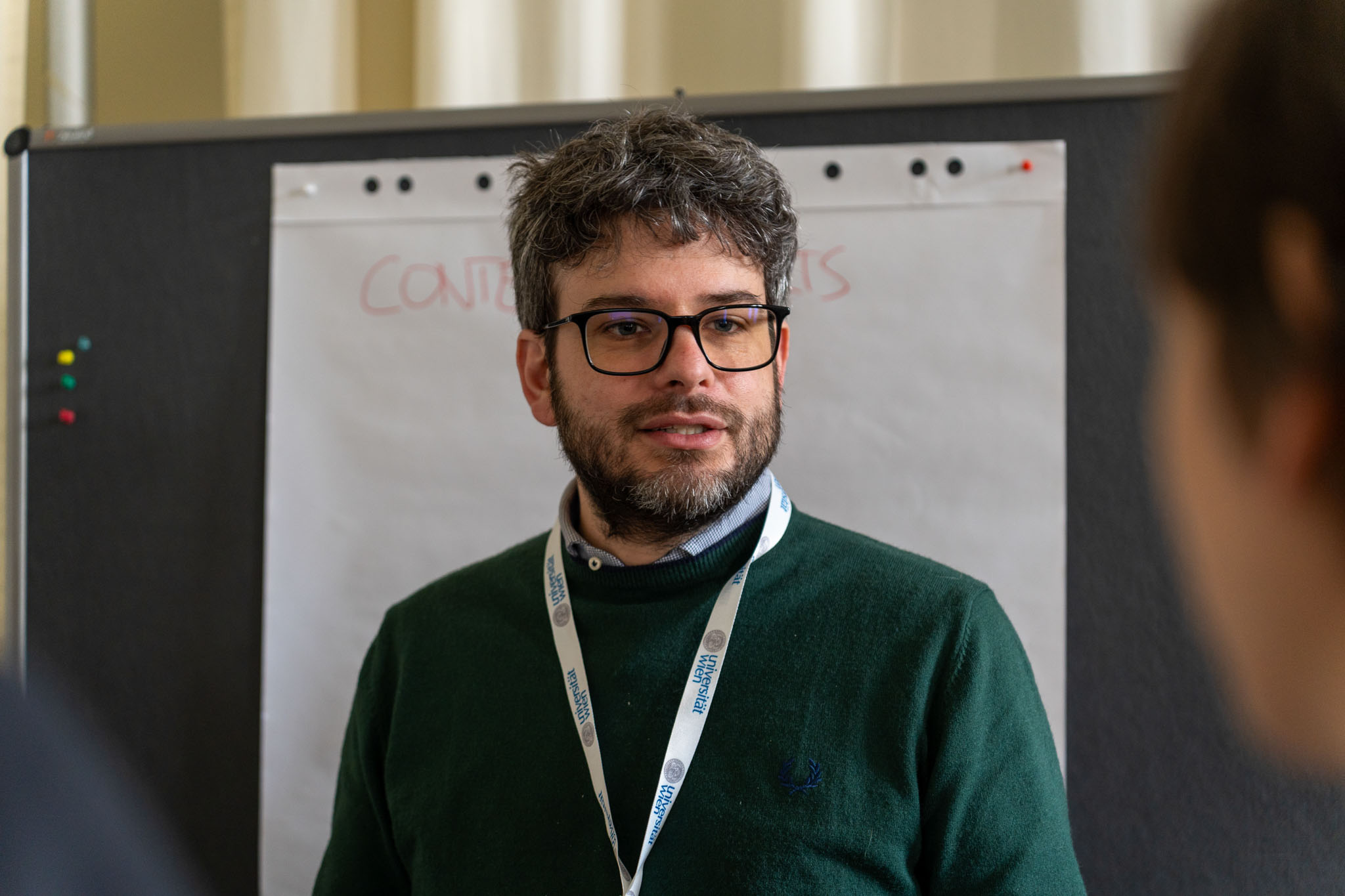
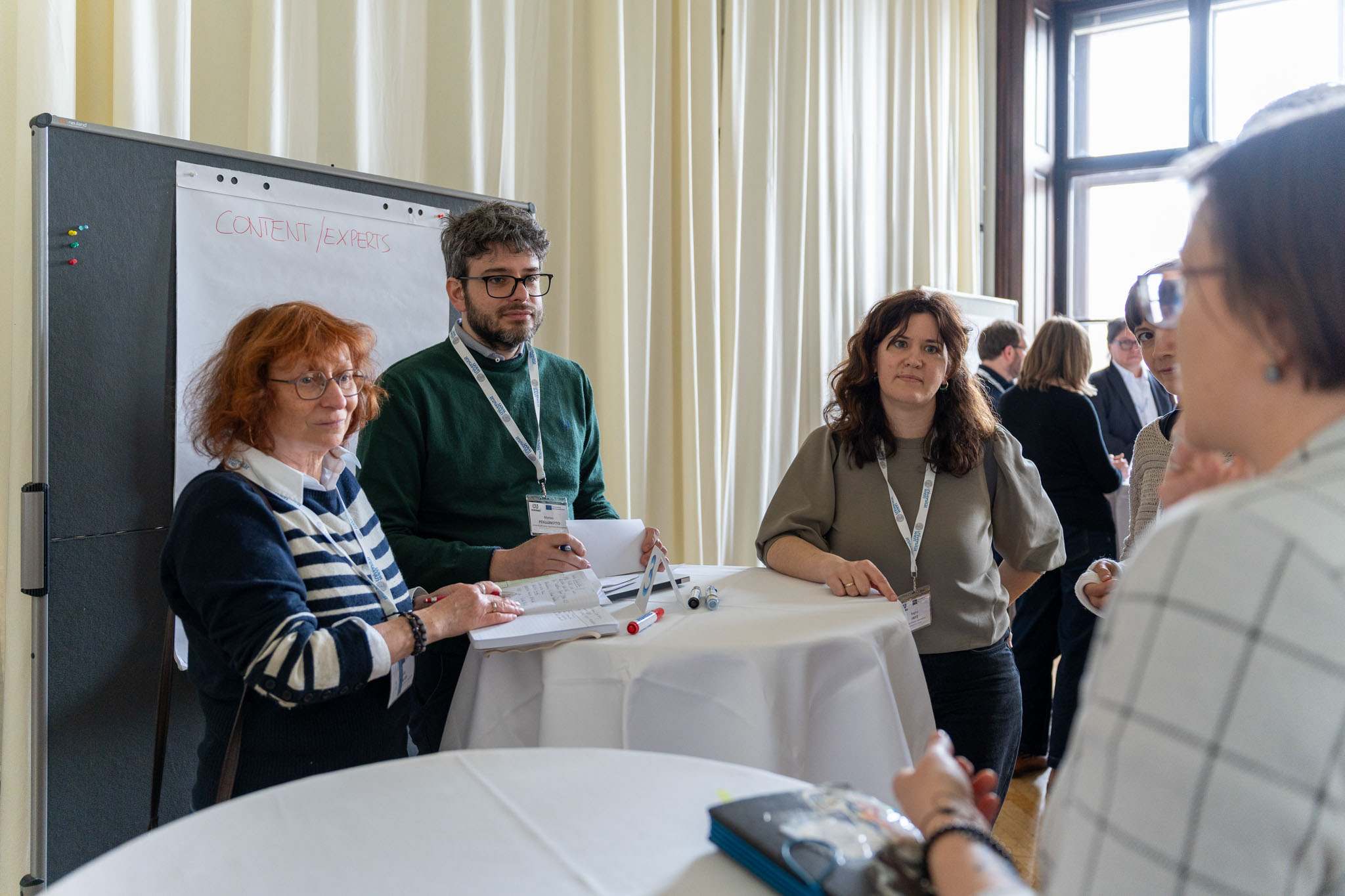
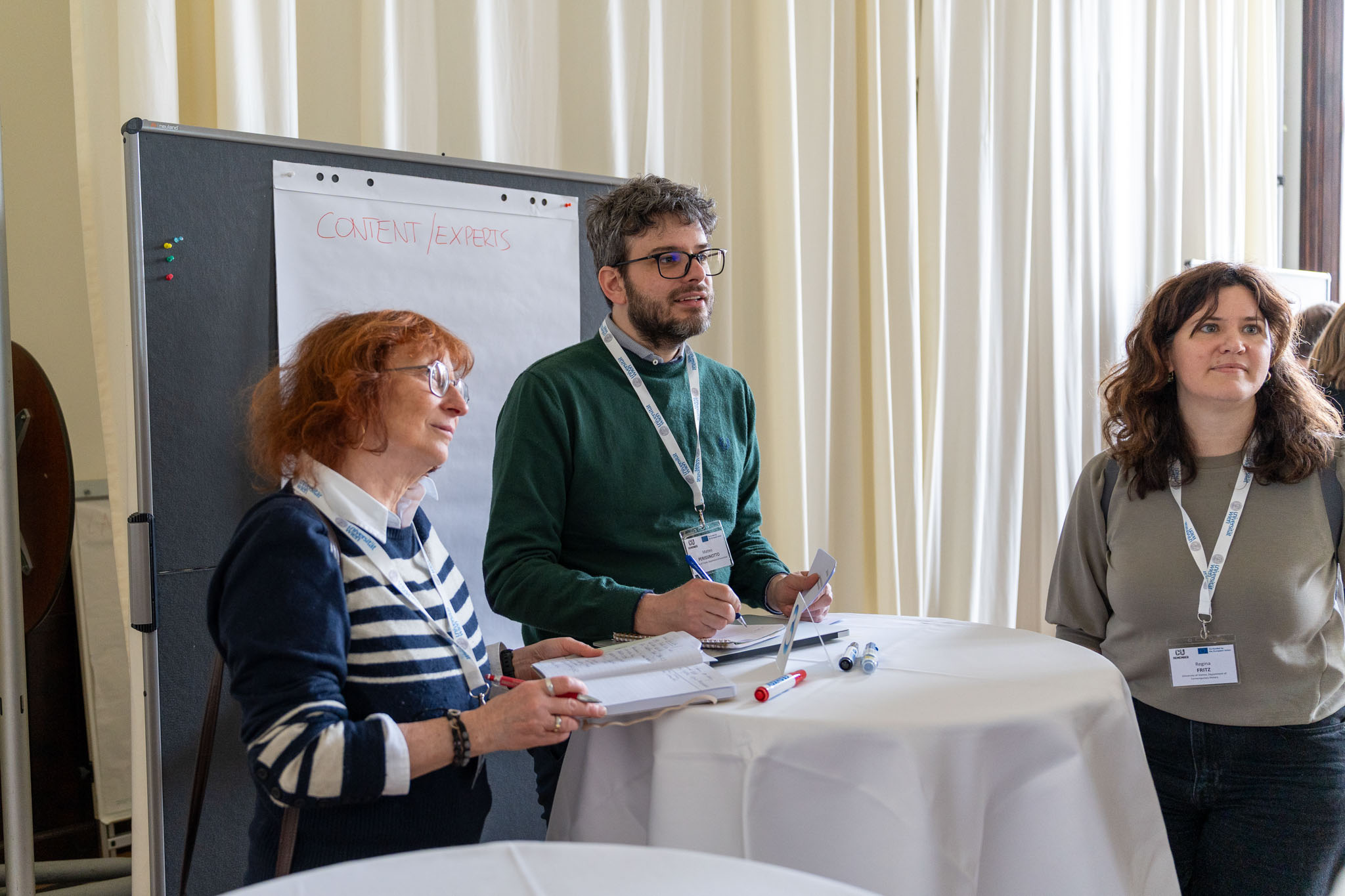
- Content / Experts: Scholars debated how to balance historical accuracy with age-appropriate content and ensure comprehensive, nuanced historical understanding. (hosted by Tullia Catalan & Matteo Persinotto – University of Trieste)
- Experiences / Practitioners: Professionals shared practical insights on creating meaningful Holocaust education that resonates emotionally and intellectually. (hosted by Katharina Wurzinger & Florian Edlinger – Gedenkdienst)
- Networks / Ambassadors: Participants strategized about building sustainable networks and empowering young ambassadors to carry forward remembrance culture. (hosted by Veronika Schallhart & Thiemo Kronlechner – University of Vienna)
Key Challenges Identified
- Resource Limitations: Memorial sites report understaffing and high demand for limited resources
- Preparation Gaps: Insufficient time to prepare students emotionally for engagement with Holocaust material
- Educational Coordination: Lack of communication between institutions and schools about students’ prior knowledge
- Pedagogical Training: Some institutions lack specialized training for delivering sensitive content
- Curricular Absence: Holocaust education is not systematically included in primary school curricula
- Parental Concerns: Many parents are hesitant about Holocaust education for younger children
- Digital Sustainability: Questions about the longevity and target audience of digital remembrance projects
Proposed Solutions and Recommendations
- Personalized Approaches: Work with small groups and integrate personal biographies to enhance emotional and analytical understanding
- Age-Appropriate Content: Focus on themes of exclusion versus inclusion for younger students (6-14)
- Interactive Methods: Utilize games, role-play, and interactive exhibitions rather than passive learning
- Place-Based Learning: Use “Stolpersteine” (stumbling stones) and local historical sites for concrete, location-based commemoration
- Teacher Support: Develop systematic teacher training programs and ready-to-use materials in appropriate languages
- Digital Integration: Leverage social media as entry points while acknowledging risks of misinformation
- Collaborative Development: Include young people in creating formats, giving them agency and ownership
- Network Development: Identify existing platforms for collaboration and organize joint events to use synergies
- Academic Recognition: Award ECTS points to students who engage in Holocaust remembrance work
- Multi-Language Approach: Present materials in relevant languages to reach broader audiences
Emerging Perspectives
- European Memory Complexity: Acknowledge different and sometimes conflicting memories across Europe
- Generational Dialogue: Foster conversation between different generations about historical events
- Emotional Connection: Create connections to students’ everyday lives to make history relevant
- Contemporary Context: Recognize how current social and political issues influence perspectives on historical events
- Interdisciplinary Learning: Exchange methods between remembrance education and science communication
Looking Forward
CU REMEMBER represents more than an educational project — it’s a commitment to preserving critical historical memory, fostering empathy, and ensuring that the lessons of the past continue to inform our present and future.
We are very grateful for the participation of representatives of important stakeholders in this topic: the Austrian Federal Chancellery; the Federal Ministry of Women, Science and Research; the 9th District Administration, City of Vienna; the Universities of Vienna and Trieste; the Museum of the Jewish Community of Trieste „Carlo and Vera Wagner“; Teachers from the OVS Am Kaisermühlendamm 2, the Zwi-Perez-Chajes PVS, and the Grundschule Lk Trainstein/ Bayern; the University College of Teacher Education of Christian Churches Austria; the GEDENKDIENST – Association for historical and political education and international dialogue; Jump – the Umwelt-Jugend-Plattform; the Museo della Risiera di San Sabba-Monumento Nazionale (Comune di Trieste); the House of Austrian History; the Austrian Museum of Folk Life and Folk Art (Volkskundemuseum); the Vienna Wiesenthal Institute for Holocaust Studies; the Österreichische Gesellschaft für Exilforschung; the Bildungsdirektion für Niederösterreich; representatives from the media sector and the Vienna University Children’s Office. Thank you all for joining us!
Another special thanks to our colleagues Veronika Schallhart and Thiemo Kronlechner from the University of Vienna – Corporate Communication Department – for organising the guided tour for our guests at the university main building, which also included first links to our project.
Stay tuned for more updates on this transformative project.
Event Gallery
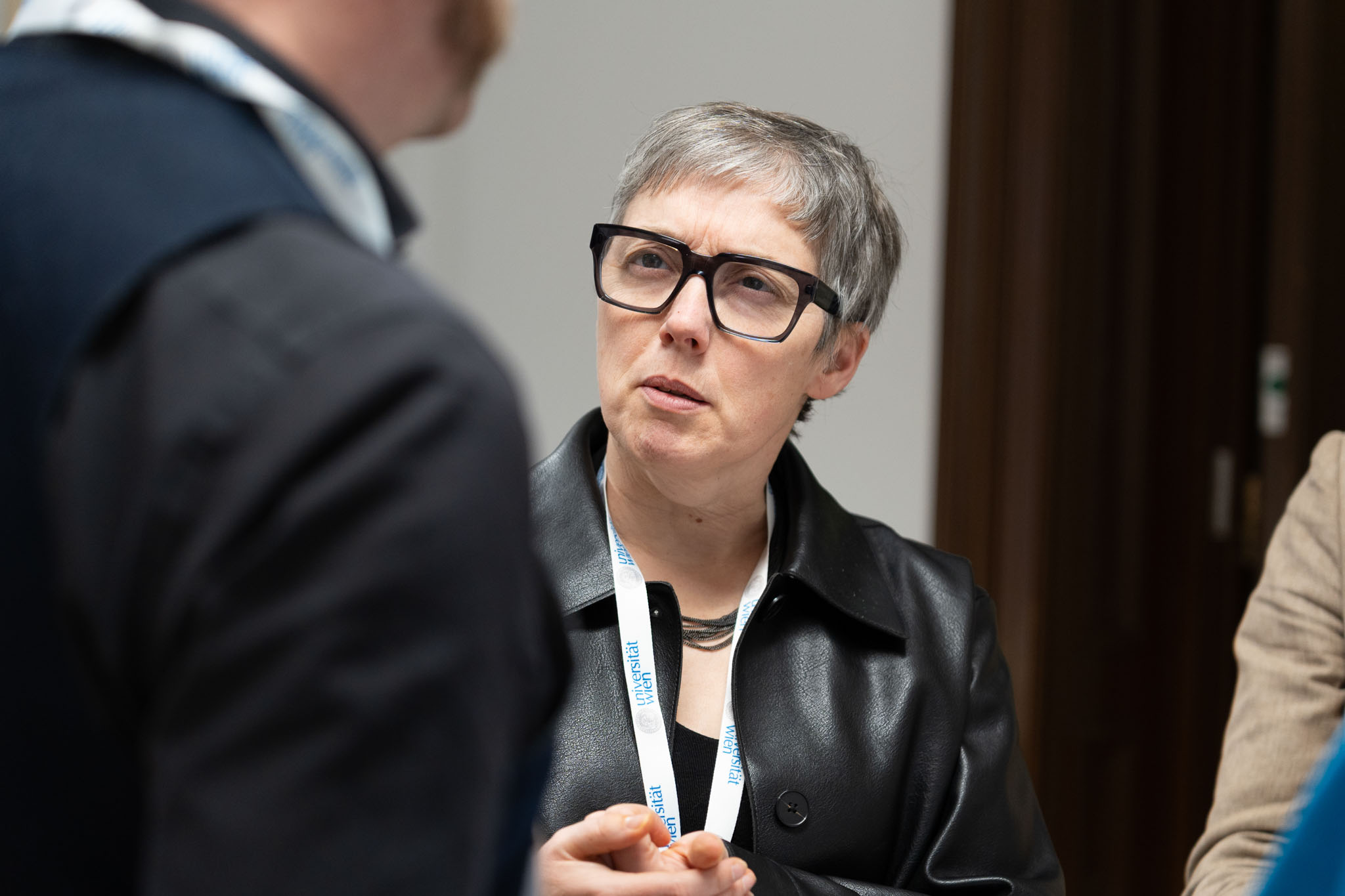
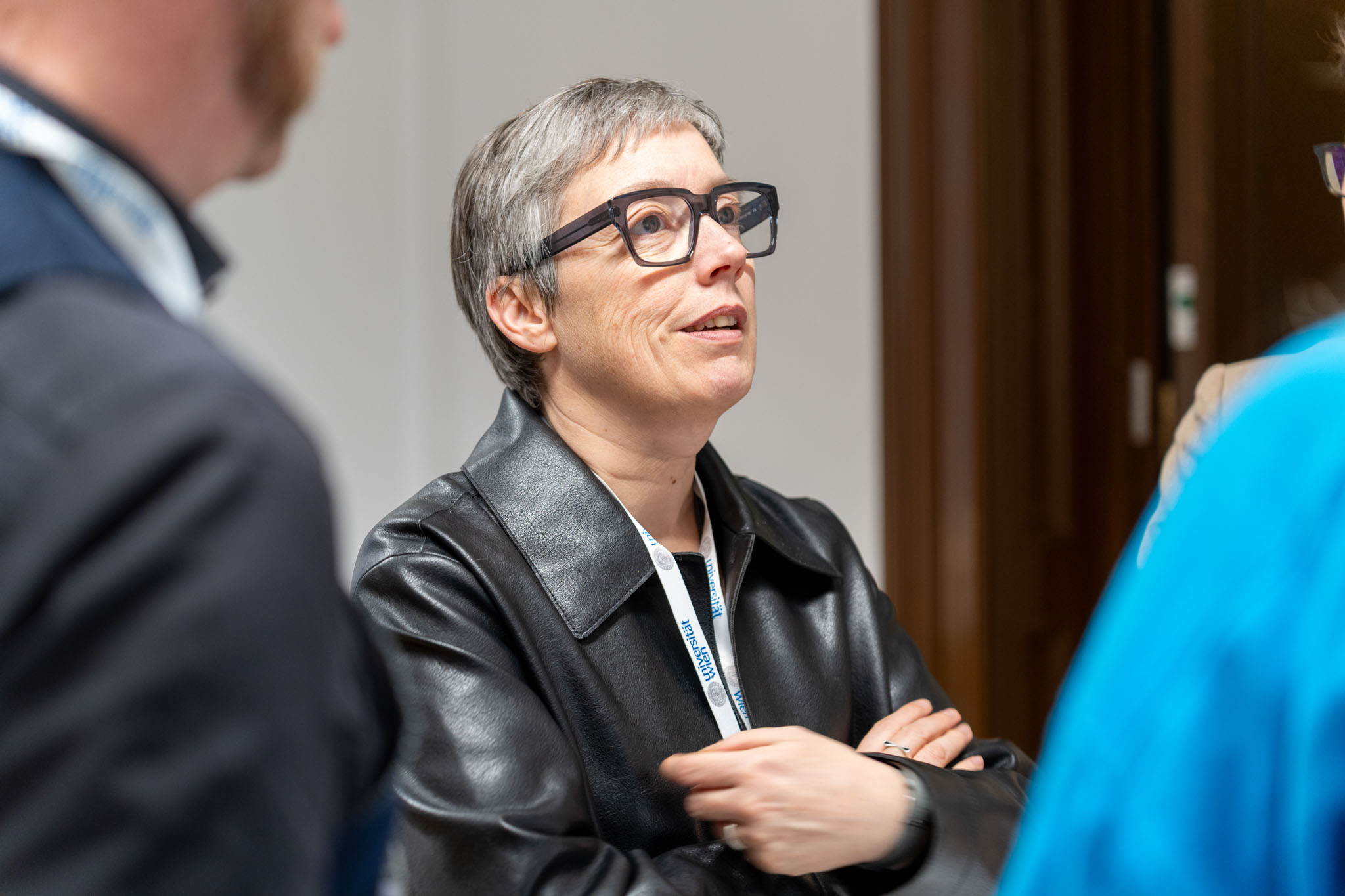
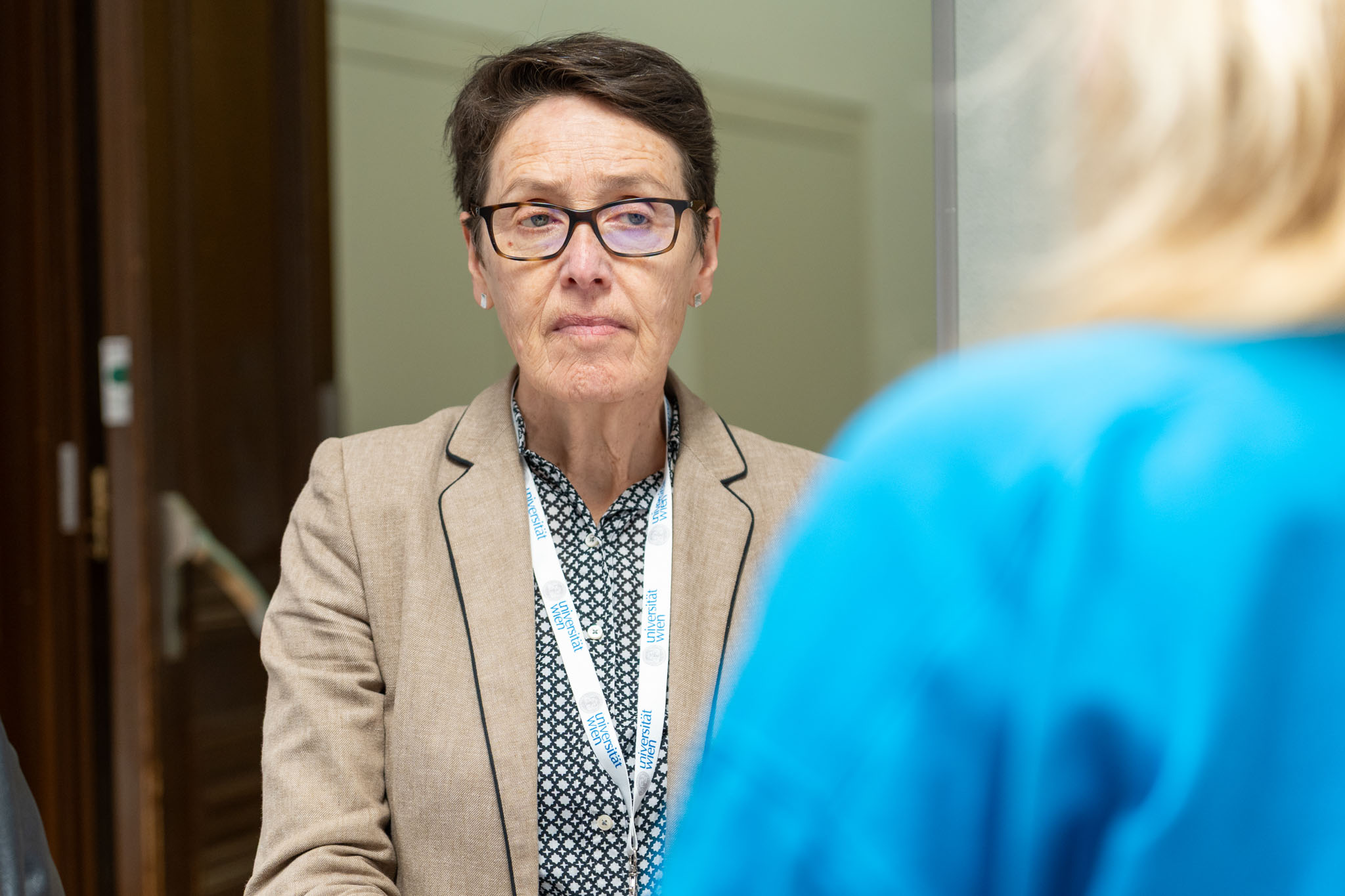
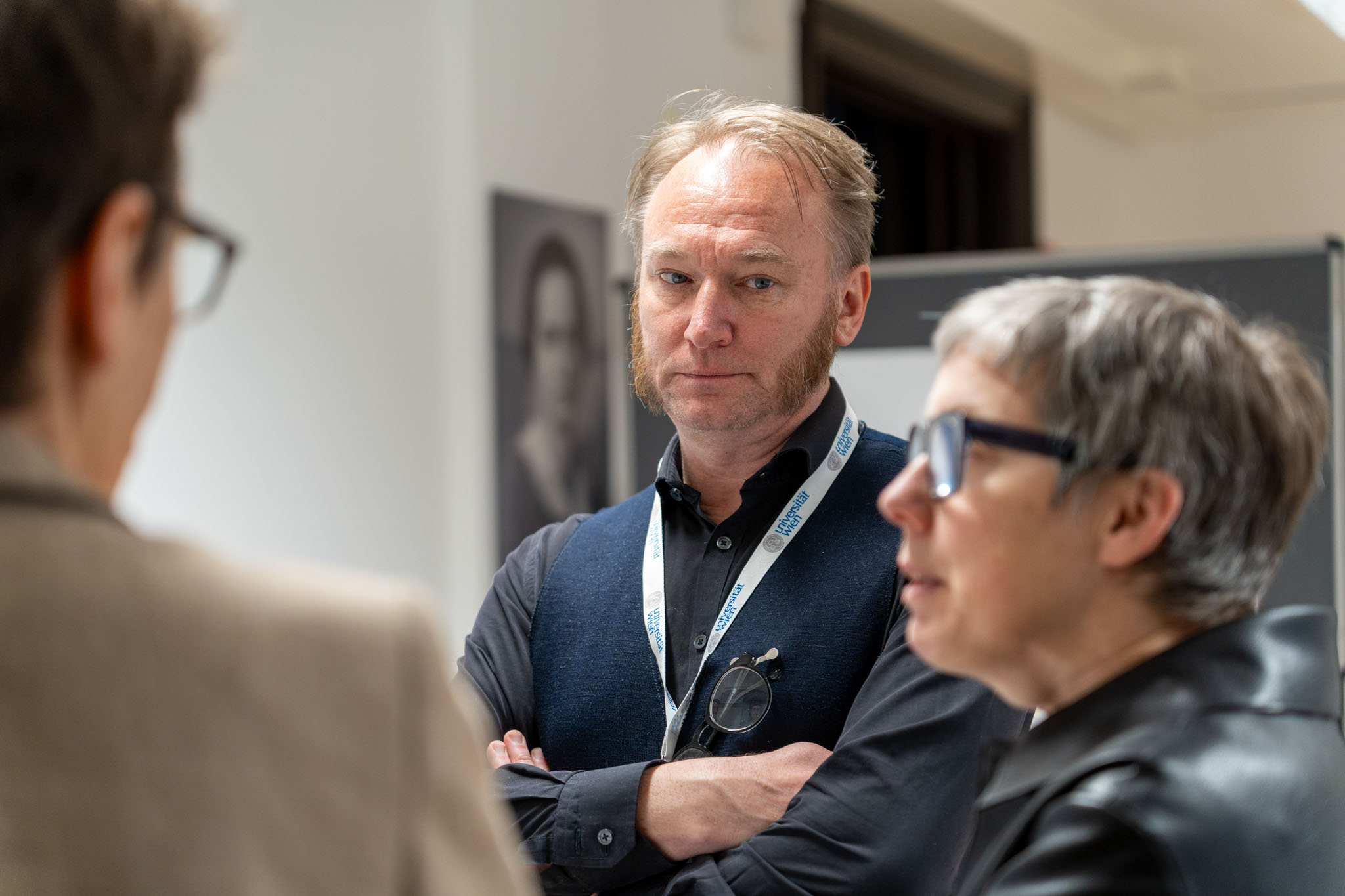
Click through the photo gallery of our event. All photos by Alexander Bachmayer / University of Vienna.
CURemember©Alexander_Bachmayer-13
CURemember©Alexander_Bachmayer-11
CURemember©Alexander_Bachmayer-10
CURemember©Alexander_Bachmayer-12
CURemember©Alexander_Bachmayer-09
CURemember©Alexander_Bachmayer-08
CURemember©Alexander_Bachmayer-07
CURemember©Alexander_Bachmayer-06
CURemember©Alexander_Bachmayer-05

CURemember©Alexander_Bachmayer-04
CURemember©Alexander_Bachmayer-03
CURemember©Alexander_Bachmayer-02
CURemember©Alexander_Bachmayer-01
CURemember©Alexander_Bachmayer-14
CURemember©Alexander_Bachmayer-47
CURemember©Alexander_Bachmayer-49
CURemember©Alexander_Bachmayer-48
CURemember©Alexander_Bachmayer-46
CURemember©Alexander_Bachmayer-45
CURemember©Alexander_Bachmayer-44
CURemember©Alexander_Bachmayer-43
CURemember©Alexander_Bachmayer-42
CURemember©Alexander_Bachmayer-41
CURemember©Alexander_Bachmayer-40
CURemember©Alexander_Bachmayer-39
CURemember©Alexander_Bachmayer-38
CURemember©Alexander_Bachmayer-37
CURemember©Alexander_Bachmayer-36
CURemember©Alexander_Bachmayer-35
CURemember©Alexander_Bachmayer-34
CURemember©Alexander_Bachmayer-33
CURemember©Alexander_Bachmayer-32
CURemember©Alexander_Bachmayer-31
CURemember©Alexander_Bachmayer-30
CURemember©Alexander_Bachmayer-29
CURemember©Alexander_Bachmayer-28
CURemember©Alexander_Bachmayer-27
CURemember©Alexander_Bachmayer-26
CURemember©Alexander_Bachmayer-25
CURemember©Alexander_Bachmayer-24
CURemember©Alexander_Bachmayer-23
CURemember©Alexander_Bachmayer-22
CURemember©Alexander_Bachmayer-21
CURemember©Alexander_Bachmayer-20
CURemember©Alexander_Bachmayer-19
CURemember©Alexander_Bachmayer-18
CURemember©Alexander_Bachmayer-17
CURemember©Alexander_Bachmayer-16